
Celebrate love and friendship in this blog using our selection of inspiring Valentine’s Day art and craft activities for children. Featuring clear step-by-step instructions, discover ideas suitable for a range of ages and abilities.
Valentine’s Day Double Heart Bunting

Simple but very pretty, this cute heart-themed card bunting will create a burst of colour, happiness and decoration wherever it’s hung. Ideal as a group activity to celebrate creativity, co-operation and friendship whilst making gorgeous decorations for the classroom!

Want to make a special gift for someone at Valentines? Why not give a single heart with a little note attached!
What you will need:
How to make:
Step 1

Using a range of coloured papers/card cut strips in two different lengths, for each heart here I have used: 3 x 29cm (inc 1 piece used for making a ‘hanger’) & 2 x 24cm strips.
Step 2

Make a ‘hanger’ for the heart to be able to thread onto ribbon/cotton. Take one of the longer pieces of card and fold in two. Use a hole punch to punch a hole on the ‘fold’ of the card piece. Once punched snip across the top of the folded card to make 2 pieces ( 1 piece will be used for each heart).
Step 3

Gather the pieces of card you are using and place in the following order: shorter piece of card, longer piece, ‘hanger’ card, longer piece and finally short piece.
Step 4


Line up the bottom of the pieces of card then begin to bend each one down in turn to make the shape of the heart (missing out the hanger piece). Staple all together at the bottom to form the full heart.
Step 5


Create a colourful classroom display and make bunting by stringing each heart together with cotton/ribbon or hang in gorgeous colourful clusters for more impact.


NB String across windows to bring a warm cheerful feeling to the classroom!
Project Extension – 3D Stained Glass Window Hearts

Miss out the card ‘hanger’ making a double heart using the same technique. Use a glue stick run a line of glue over the edge of the back of the heart shape and stick onto coloured cellophane. When stuck & dry, cut the cellophane into a heart shape slightly larger than the card heart. Stick on a window to flood the room with colour!
Valentine’s Day Woven Paper Heart Decoration

Recycle printed papers, add collage resources and experiment with texture and pattern making in this simple Valentine’s themed children’s weaving craft activity.
What you will need:
- Coloured Card
- Scissors
- TTS Glue Stick
- Pipe Cleaners Assorted
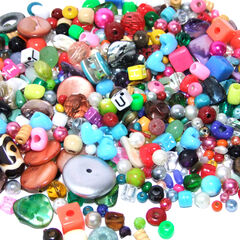
- Assorted Craft Beads
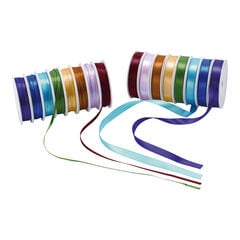
- Craft Ribbon
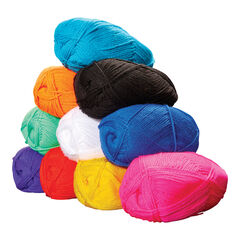
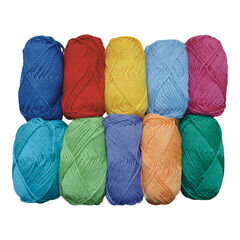
- Yarn
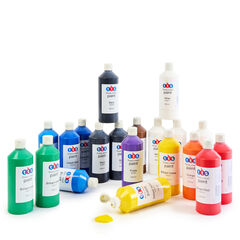
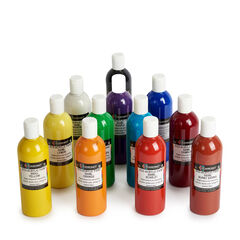
- TTS Ready Mixed Paint
- Scrap/Recycled Patterned Printed Papers
How to make:
Step 1

Make use of recycled patterned paper (or create some of your own using ready mixed paint printed with assorted texture applicators on coloured paper). Cut a selection into strips in preparation for weaving.
Step 2
Fold either A4 or A3 card in half (larger heart weaving shapes are easier for little hands!), on the folded edge draw half a heart and cut along the line to create the heart weaving ‘frame’.
Step 3


Take the shape still folded in half and cut lines from the fold towards the edge leaving approx. 2/3cm uncut. Space each line apart – they could be even spaces or not to vary the woven pattern. Unfold the shape and begin to weave your paper strips through the shape you’ve created. Use a mix of colours of papers, add texture through using ribbons, beads, pipe cleaners, yarns etc. Stick the ends of papers, ribbons etc to the paper heart to secure.
Step 4


Once the heart is complete, why not add further decoration using paper strips folded into hearts and linked together for extra dimension!
Valentine’s Easy Collagraph Rubbing Activity

Explore a simple collagraph rubbing technique following the easy step-by-step instructions below.
What you will need:
How to Make:
Step 1

Gather a variety of shapes to use in this activity. Use either precut card shapes or practice cutting skills and cut out shapes from thicker paper/sugar paper/card. Other collage materials eg sequin shapes can also be used to add patterns and texture.
Step 2


The collagraph will be created on one side of a piece of paper (a thinner paper like photocopy paper works well as it allows rubbings to be made more easily) and the rubbing is going to be done on the back of this piece of paper.
When sticking down shapes remember that rubbings will only appear when a ‘raised’ surface is added to the paper. Overlapping shapes also add extra dimension and pattern so experiment with what to stick down first/what shapes to layer slightly or just stand alone eg stick shaped sequins down first then a larger cut out shape over the top to create more layered patterns.
Plan your design on your base paper and then when happy with the design stick all the pieces down using a glue stick.
Step 3


When all shapes are glued in place turn the paper over ready for rubbing. Using an unwrapped crayon (as you need to be able to use the whole length of a crayon to do the rubbing) begin to rub over the paper surface and watch the patterns appear. Choose one colour of crayon or combine a few to add to the effect of the final collagraph rubbing print. NB. To stop the paper from moving around whilst rubbing you could secure with masking tape.
Valentine’s Heart Themed 2D, 3D Process Art Activity

Explore mark making, tracing, rubbing activities, shape, pattern, spatial awareness, assorted art materials 2D and 3D in this Valentine’s Day themed children’s art activity.
What you will need:
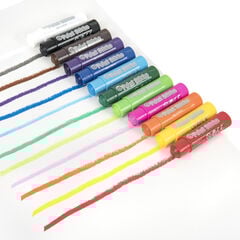
- Ready Mix Paint Sticks Assorted
- White Card
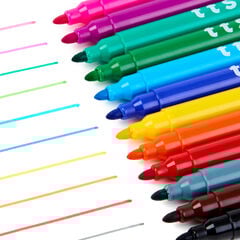
- TTS Colour Marker Pens
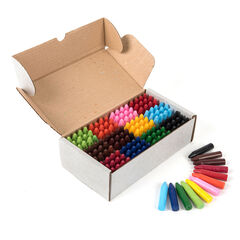
- First Mark Wax Crayons
- TTS Ready Mixed Paint
- TTS Broad Felt Tips
- Scissors
How to Make:
Step 1

Using white card cut out a range of heart shapes and sizes which will be used as stencils, for rubbings and finally as part of the finished piece of work. NB. Cutting ‘shapes within shapes’ adds greater interest and patterns to work with.
Step 2


Use the cut-out shapes to explore pattern making and materials. Use the shapes as many ways as possible to make an assortment of marks/patterns. Draw around the card shapes, place shapes under the paper and use crayons to make rubbings, create solid (positive) shapes or outline (negative) shapes. What other shapes can be created as shapes are overlapped, used upside down, used next to each other etc?
Step 3


Consider further decorative additions ‘picking out’ shapes using other art resources eg felt tip pens, oil pastels, colouring pencils etc.
Step 4

As mark making progresses across the paper consider the placement of shapes ie next to each other, overlapping, inside another shape, draw outside another etc.
Step 5


Once the surface has been ‘decorated’ now add the 3D element to the project. Use the card ‘stencil’ shapes sticking down the card shapes using PVA glue adding extra interest and dimension.
Valentine’s Foil Printing Activity

A fun process children’s art activity to explore a simple printing & transfer technique using the symbols and theme of Valentines Day, love and friendship.
What you will need:
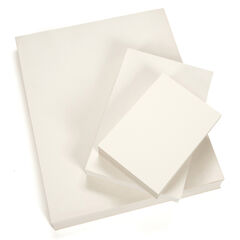
- White Drawing Paper
- TTS Colour Markers Assorted
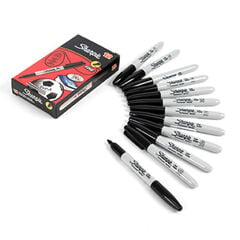
- Permanent Black Marker Pen
- Clear Spray Bottle
- Masking Tape
- Tinfoil
How to make:
Step 1


Using thin white paper (I used photocopy paper), draw Valentine themed patterns using a permanent marker (though you could also try crayon using more of a ‘resist’ technique). Put to one side.
Step 2

Stick a piece of tinfoil slightly larger than the size of your drawn design onto your workspace using masking tape and cover the surface with brightly coloured washable markers. NB. Add a little colour mixing experimentation. Think about how the colours will mix when sprayed with water eg. blue next to yellow will blend to make green etc.
Step 3

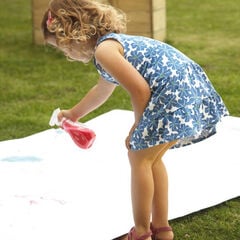
Using a water sprayer gently mist the colours on the tinfoil and watch the magic begin as ink begins to move and blend. Don’t ‘drown’ the colours! Use a light covering of water to dilute the colours and achieve the desired ‘watercolour’ effect.
Step 4

Take your piece of white paper with the permanent marker design and place face down onto the tinfoil.
Step 5

Using your hands gently rub the back of the paper to help with the transfer of colour from foil to paper.
Step 6


Carefully peel back the paper to reveal the overall effect and beautiful blend of colours created!
Keep as a beautiful decorative piece of process art or perhaps use some of the design and mount onto an A4 piece of folded card to make a Valentine’s card for a loved one!
Valentine’s Day Air Dry Modelling Clay Friendship Mice


A cute children’s modelling activity that creates a personal gift to give to someone to celebrate love and friendship whilst learning simple steps about working with clay.
What you will need:
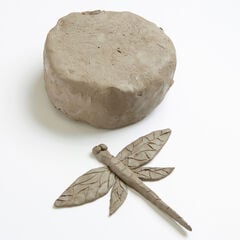
- TTS Air Dry Modelling Clay
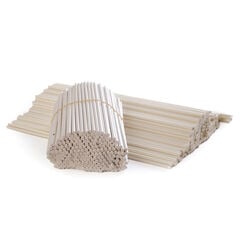
- Paper Dowels
- Colourcraft Acrylic Paint Assorted
- TTS PVA Glue
- Pipe Cleaners Assorted
How to make:
Step 1

In a container mix water and a lump of air-dry clay, squish and stir until the clay has dissolved and become a thick liquid (similar consistency to thick yogurt) called ‘slip’. This will be used to ‘glue’ pieces of clay together to form the mouse.
Step 2

Break off a lump of clay to make the body of a mouse. Choose the size of the lump of clay, scale up or down to make larger or smaller versions of the models. Firstly, roll the clay into a smooth ball (have a damp sponge or water and nylon brush to hand if you wish to remove any small wrinkles/cracks if the dry has dried slightly as you’ve been working with it) next placing more pressure on one side of the ball roll into a 3D cone shape with a flat base.
Step 3


Make a nose using a small ball of clay and two ears from two balls of clay slightly flattened into circles and ‘tweaked’ together at the bottom to form a tear drop shape. Use the slip you’ve made to ‘glue’ each element to the body but before this can be done you must score both surfaces, apply the slip and press together.
Step 4


To enable a tail to be added from a different material other than clay use a clay tool (or bamboo stick) to make a hole once the clay model has dried. Add decoration using clay tools or ‘made’ pattern stampers. (NB. The ones I have used have been made using mirror backed gems in assorted shapes eg heart, flower etc. stuck onto a paper dowel using a low melt glue gun. Use the flat back of the gems as the shape stamper). Press the stamps gently into the clay to create a crisp impression. Leave the model to dry before painting.
Step 5

Once dry, paint your model with a base coat of white acrylic paint, two coats may even be needed for a ‘flat’ white finish.
Step 6

Add colour and character as you paint the models using acrylic paint for a smooth, flat, water-resistant finish.
Step 7

Add eyes, mouth, whiskers etc with permanent pen/acrylic paint and add a tail using PVA and a pipe cleaner pushed into the hold made at the back when making the model.
Step 8

Make a little personalized note from card to hang from the tail then give as a gift to a loved one to let them know they are cherished!
Light Up My Heart Valentine’s Day Lantern

A simple activity that encourages mark making, creative exploration and the outcome can be transformed into a beautiful glowing lantern that can be given as a gift to a loved one.
What you will need:
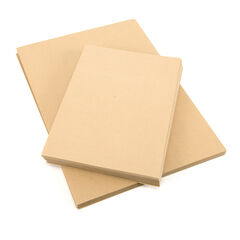
- A4 Brown Craft Paper
- Coloured Card Assorted
- Double Sided Sticky Tape
- Ready Mix Assorted Paint Sticks
- Baby Oil
- Cotton Buds
How to make:
Step 1


Using baby oil and a cotton bud paint directly onto the paper’s surface (helping with fine motor development and hand-eye co-ordination) or paint brushes. The oil changes the colour of the paper and makes it semi-translucent. Leave to ‘dry’ before the next step (NB. The oil patterns created may blur as the oil moves/spreads on the paper but this just makes more of the paper slightly transparent and adds to the character of the lantern!)
Step 2

Working on the back of the oiled paper use paint sticks to add patterns and areas of colour (it’s a good idea to experiment with different colours before the final piece to understand which colours show through the paper, which don’t, are too strong or not strong enough). When the lantern is made the light source will show the colours through the paper.
Step 3

Turn the paper over and use a white (or coloured) oil pastel to add a little detail to the surface to finish off the design.
Step 4

Cut two strips of card to strengthen and create the top and bottom of the lantern (29.5cm x 3cm). Use double sided tape to stick down.
Step 5


Turn into a conical lantern by adding a strip of double-sided tape down one side of the front of the paper, bend the paper round and stick together to make the lantern ‘tube’. Add a battery operated (for safety not an open flame) tealight/flat torch to light up the lamp and admire the soft decorative finish!
Written by Nicky Mountcastle.
Nicky is a Content Editor for TTS for Art & Commodities. With a love for art & craft from a young age Nicky trained in Art & Design and has enjoyed a variety of creative jobs throughout her career. Making, discovering and sharing ideas is one of her favourite things to do!