

So much of what happens in a classroom is about building children’s literacy, even if it isn’t labelled literacy. We plan literacy lessons, we teach phonics, we set writing tasks, and quite rightly, that takes a lot of our attention. However, if we think beyond the daily planning for literacy as a subject, there’s many other things we do naturally throughout the day that supports this, for example, the constant talk, the storytelling, the explaining and listening, and the questioning.
When you take a moment to step back and look at the bigger picture, you realise that most of the day is wrapped around developing literacy skills. Often you will have done literacy in so many different ways before half the day is over (even without getting to the actual literacy lesson on your timetable!)
In this blog, we will take a closer look at what literacy is (by definition), and look at how it evolves from the early years through to Key Stage 1 and 2. We will also share some practical ideas and resources that can be woven into what you already do to help support and build children’s skills in literacy.
What is Literacy?
When thinking about what literacy is, it sometimes helps to start with the definition that captures the full picture of what we are trying to develop in our children. If we look at the definition from the National Literacy Trust, literacy is “the ability to read, write, speak and listen in a way that allows us to communicate effectively and make sense of the world” (What is Literacy?, The National Literacy Trust, 2026).
It is important for us to keep this broader view in mind as it reflects what we see every day in the classroom. Children are constantly talking in lessons, asking questions, explaining their thinking, listening to instructions, retelling stories, writing notes in the home corner, reading signs and decoding labels. These are all familiar examples of literacy in action.
Literacy is also supported through the wider curriculum, for example conversations about a maths problem, debates in history or even the chats at playtime. All these are the building blocks of literacy that feed into children’s ability to communicate and understand the world around them.

What are the different components of Literacy?
Although literacy includes reading, writing, speaking and listening, there are a lot of smaller skills that are required under these broader headings and that are developed over time and support one another. From our observations of children, we recognise that they don’t always develop in all these areas at the same pace. This is where understanding the different components can be useful as we can try and work out why a child is finding something difficult in a particular area, meaning we can target our support better.
Speaking and listening
Talk is an important part of literacy. It is often said that a child needs to be able to have thoughts before speaking them out loud and similarly, be able talk about something before they can write about it. This means that before a child even picks up a pencil, they need to learn how to organise their thoughts, explain ideas and understand others through conversation. We can develop these skills in a number of ways including:
- Sharing stories with children
- Giving them instructions to follow
- Encouraging participation through discussion
- Teaching the importance of taking turns
- Asking them to explain how they solved a problem
By giving children these opportunities to listen and talk, they are more likely to find it easier to transfer those ideas into writing later in their school life.
Phonological and phonemic awareness
Children’s journey into language starts with non-verbal cues and sounds. Long before they start blending sounds to read words, they are tuning into rhythm, rhyme, alliteration and the ways words can be broken into parts. We support this by:
- Singing songs and playing with rhymes
- Identifying syllables in words
- Noticing when words start with the same sound
- Eventually segmenting and blending sounds in words
By encouraging children to play with sounds and language, we are forging the path into early phonics and reading. Children who confidently hear and manipulate sounds often find decoding easier because they are already aware of the smaller units of sounds in words.
Vocabulary building
Vocabulary is such an important part of literacy and underpins both reading and writing. Children need to know what words mean before they can really understand what they are reading or use those words effectively in their conversations or writing.
So, how can we help our children to build a treasure chest of rich vocabulary? We can talk about words and their definitions but also expose children to a range of vocabulary by having meaningful conversations, telling and talking about stories, teaching words associated with different subjects and through play and interactions. The more words children have access to, the easier it is for them to makes sense of texts, understand what is being said and to express themselves clearly.
Reading and reading comprehension
For many adults who can already read, reading can seem simple, almost automatic. It is easy for us to forget that reading is complex and requires the combination of several skills. To read, children need to decode words, understand the vocabulary, and make sense of what they are reading. As they progress with their reading, children start to infer, predict, summarise and think about different points of view.
In our classrooms, we teach children with different strengths and challenges. Some can read fluently but struggle to make sense of things, while others may have brilliant comprehension skills when listening to stories, but find decoding and the actual reading of texts difficult. Both situations require different kinds of support which is why it is useful to think about literacy and reading in its different parts.
Although children need phonological awareness to read, by the regular sharing of stories, shared reading, and exposure to a wide range of books, we not only develop confident readers but most importantly, encourage a love of reading for pleasure. Once children become readers, this makes learning accessible, for example, they will be able to read information and interpret questions in all subjects more effectively.
Writing
Writing is often the demanding part of literacy because it requires the bringing together of many skills at once. Children have to think about what they want to say (and remember it), organise their ideas into a logical order, choose the right words, spell the words, before physically forming and writing the letters.
If any one of these areas is challenging, writing can quickly feel overwhelming. This is why it is important for us to give children time for:
- Orally rehearsing what they want to say
- Shared writing
- Building and manipulating sentences physically
- Writing for real purposes

What does Literacy look like in Early Childhood Education?
In the Early Years, literacy is about building strong foundations through child and adult-led play and interactions rather than rushing towards more formal outcomes such as having children sitting down to write at a table. At this stage, children are learning how:
- Language works and the impact it can have
- To listen and respond (linked to turn taking and conversations)
- To form and share ideas
- Marks and symbols represent meaning
We know how important it is for children to build secure foundations, so we need to make sure that we give them the time, space, and experiences that they need to develop these skills in a way that is engaging and developmentally appropriate.
Long before children are ready to read and write independently, they need time to develop the pre-requisite skills in the key areas. These include:
- Attention and listening – so that they can focus their attention, follow instructions, listen to stories, and take turns
- Physical development – develop motor skills to support them to sit properly, track words on a page and control the tools needed to eventually write
- Language development – helping children to understand what is being said, build vocabulary and be able to express themselves clearly
As children progress through the early years, these skills begin to come together. Mark making becomes more purposeful, talk becomes more organised and structured, and children start to build, understand and use a range of wider vocabulary. When these foundations are secure, children are far better placed to succeed as readers and writers as they move into Key Stage One.
Practical Strategies to Support Literacy
We can encourage children to communicate and interact with language through the learning spaces we create. By thinking carefully about where we learn, we can focus on creating language rich environments. So, what practical strategies can we use to support literacy in the early years? Here are a few things that we can consider:
Think about furniture and layout
Take a moment to think about the furniture in your space. Does it encourage children to collaborate and communicate?
A good example of this is in your home corner. If your space allows, you could create a mini kitchen island using cupboards that children can gather around, rather than lining everything up against a wall. This naturally invites conversation and shared play.
Another example is in the creative area. Resources such as four-sided easels are also worth considering. These not only save space but encourage children to work alongside one another, supporting talk and interaction as they create mini masterpieces.
Use signs and labels
When we talk about adding labels to the environment, we’re not suggesting that everything needs to be labelled. After all, most young children are not yet able to read and it could make for an overwhelming learning environment.
Instead, well-chosen signs and labels can help children begin to understand that print carries meaning. Using words alongside pictures can support vocabulary and help children make connections between spoken and written language.
Encourage a love for books and stories
Having a range of books available in the setting helps children develop a love of language from a young age. Books create lots of opportunities to share ideas out loud, explore new vocabulary and retell stories orally, long before children reach the more formal stages of reading and writing.
We have all taught those children who appear to be reading confidently but in reality, have memorised the words and know the exact moment to turn the page! They may not be decoding yet but are already showing a strong understanding of how books work and a real enjoyment of stories.
While creating a cosy space for sharing books is a great idea, it’s also important to think beyond a single reading area. Are books available across all areas of provision? For example, do you have books about families in the home corner? Are there books about building or vehicles in the construction area? A child who enjoys playing in the construction area is far more likely to pick up a book if it links directly to their interests.
Consider Areas of Provision
Different areas of provision, such as the role play or small world area, can naturally support literacy when they are well resourced. These areas are often most effective when they are linked to children’s real-life experiences and interests. When children can draw on things they already know, they are able to talk, play and act things out with their friends. For example, it can be difficult for a child to role play being a vet if they have never had a pet, heard stories about them or understand what their job involves.
Within each area, it’s also important to create opportunities for early mark making. This might include:
- Post-it notes or a calendar in the home corner
- Clipboards with paper and pens in the construction area for drawing plans or making signs
- Paper placed under table dens so children can explore mark making in different ways
Outdoor spaces are equally valuable for mark making. Children might use:
- Sand or mud
- Wet mops or brushes on the ground
- Collections of sticks to make natural paintbrushes
Alongside this, include materials that show different examples of print. This could be menus in the home corner, bird identification charts outdoors (using both words and pictures), or simple visual recipe cards in the mud kitchen.
Storytelling
Storytelling sits at the heart of early literacy. In the early years, children regularly share books, retell familiar stories and create new ones through play.
By having resources of puppets, story bags and small world items, children can practise many of the foundational skills mentioned earlier in this blog.
Not all children feel comfortable speaking in front of a group; storytelling offers a different way in. Using small world figures, props or role play resources can make it easier for children to share ideas without feeling that the spotlight is on them. Over time, these storytelling experiences can feed into later reading and writing.

Resources to Support Literacy in the Early Years
We have highlighted a few resources that we feel will help support different ways of learning literacy.
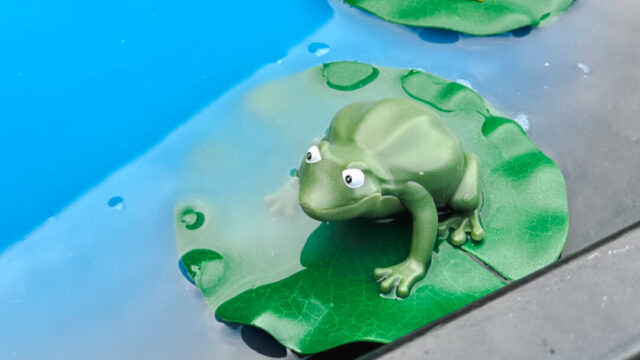
Supporting Speaking and Listening with TTS Talking Frogs
Place the Talking Frogs around the setting, in a water tray or outdoors, with a different part of a story recorded on each one. As children discover each frog, they can press to hear the next part of the tale. Once they have listened to them all, can they put them in the correct order to retell the story? Alternatively, record story starters onto the frogs so that the children can create their own stories and adventures. You could also encourage each child to record a single sentence onto a frog, then play them back together to create a silly story with their friends. Discover more ideas and inspiration for the Talking Frogs.
Supporting Phonological and Phonemic Awareness with Rhyme and Rhythm Resources
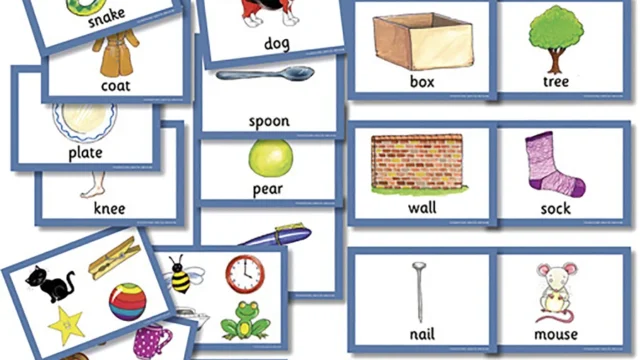
As discussed in the blog, rhythm and rhyme play a really important role in helping children to tune into sounds. Just as importantly, they encourage children to engage, join in and play with language helping to build confidence with sound patterns in a fun and meaningful way. The Alice Sharp Take Home Rhyme Time Bags offer a practical way to support this. Sharing these ideas at home also strengthens the link between home and setting, supporting continuity in children’s early language experiences and learning.
The Rhythm and Rhyme Set 1 Kit contains resources to support activities that include elements of rhythm and rhyme. They help children tune into everyday sounds which lead on to the patterns and sounds of spoken language. By joining in with songs/nursery rhymes, clapping out beats, or spotting rhyming words in rhyming Bingo, children begin to notice how language works. Explore more ideas and inspiration for the Rhythm and Rhyme Phase 1 Kit.
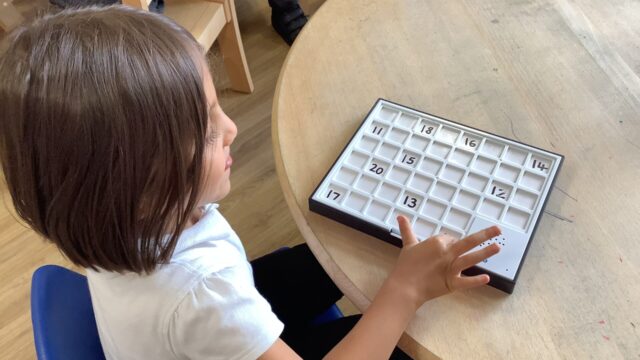
Supporting Vocabulary Building with the A3 Chatterboard Pro
The A3 Chatterboard Pro is a versatile recordable device with 44 recordable windows. It can be used as a communication board, helping children to express their wants and needs, as well as a tool for teaching and developing vocabulary. For example, the board can be placed in different areas of provision, such as the home corner or creative area. By adding images or symbols alongside recorded words, children are supported to learn and use new vocabulary linked to their learning area or play.
Children can be encouraged to say what each item is called and then find it within the area. This not only helps to widen their vocabulary but also supports them in learning the words they need to explain what they are using or doing in their play.
Supporting Reading and Reading Comprehension with Story Bags
Story Bags support early communication by introducing children to stories and new vocabulary though play. They also help children develop their oracy skills as they ask questions, retell familiar stories and act them out using props. Using Story Bags encourages children to engage and develop early literacy skills in a hands-on and appropriate way.
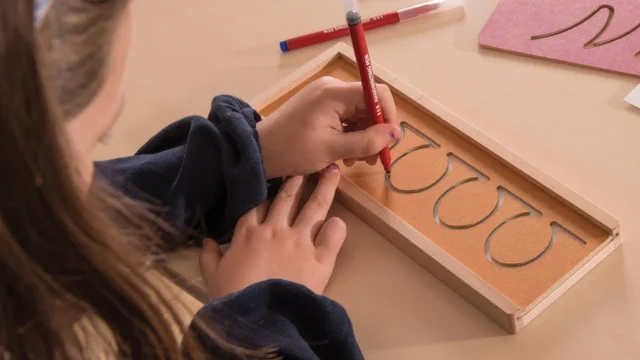
Supporting Early Writing with Eco Motor skills Utensils and Giant Outdoor Metal Utensils
These resources support children to develop the muscles needed for later writing. By using a range of different sized tools, children are given opportunities to build strength, coordination and dexterity. Activities such as scooping, stirring, rolling, and grabbing help children practise the movements that underpin early mark making and writing.
What does Literacy look like in Key Stage One and Key Stage Two?
As children move into Key Stage One and Two, literacy becomes more structured. However, even though reading and writing are more formalised, children still need regular opportunities to talk, explore ideas and make sense of more complex information.
In Key Stage One, reading is closely linked to phonics and developing fluency, alongside talking about texts to build understanding. By Key Stage Two, the focus shifts further towards comprehension, with children expected to explain ideas, infer meaning and justify opinions on a deeper level. Discussions become even more important, particularly when texts become more complex.
Writing also develops through shared experiences. In Key Stage One, modelling and oral rehearsal often support early writing. In Key Stage Two children build stamina to write at greater length, but time to plan, talk and discuss ideas remains just as important. Writing is often more successful when children understand the purpose and audience.
Literacy works best when it runs across the whole curriculum as children see reading and writing as tools for learning rather than just part of a lesson.
Practical Strategies to Support Key Literacy Stages
Supporting literacy in these key stages doesn’t always mean adding more. Often, it’s noticing where literacy already sits in the day and making small, intentional changes that give children more chances to read, write, speak and listen throughout other lessons too. Here are a few things for us to consider.
Continue to bring play into learning
Play still has a role beyond early years even though it may look different. In Key Stage One, this might include role play, drama or small world activities linked to stories and writing activities. In Key Stage Two, it appears through debate, drama, games and collaborative tasks.
Incorporating games and activities
Games can make practising literacy skills feel purposeful and fun rather than repetitive. Sentence building games, vocabulary challenges and short discussion tasks work well as starters or plenaries and can encourage participation from children who are less confident in whole class talk.
Engaging children with a range texts
Children are more likely to engage with reading when texts and reading material reflect a range of interests and experiences. Here is a checklist that you can consider for your educational setting:
- Poetry
- Non-fiction
- Graphic novels
- Magazine articles
- Shorter texts (such as Top Trump Cards)
- Digital content (e.g. Internet, Kindle etc)
- Longer books
- Books that represent them
After all, not all children engage with the same writing styles and for those who have a dislike for reading, maybe they just haven’t found the right genre or style for them yet.
Bringing technology into literacy
When used thoughtfully, technology can support literacy by removing barriers. Recordable devices allow children to rehearse ideas, hear language repeated and return to their thoughts when writing. This can be particularly helpful for children who find it difficult to hold their thoughts or organise them onto paper.
Resources to support Literacy in the Classroom
Easi-Speak Microphones and Premium Recordable Talk-Time Cards
The Easi-Speak Microphones are a great learning tool and can be used in many ways. Children could use the microphones during a class debate or hot seating session to give a point of view or they can become “Roving Reporters” on school excursions or for sports matches. They can record their reports onto the microphones and then add these to podcasts or use them to write up the action later for a newsletter or for the school website.
The Premium Recordable Talk-Time cards come in different sizes and have a wipeable surface. Children can use these cards in many ways; they are a great tool that can help them to record their ideas or sentences before they write them down. They can then listen back for support while they concentrate on the more physical side of writing without forgetting their creative ideas.
Bloom’s Taxonomy Reading Comprehension Dice
Use the Bloom’s Taxonomy Reading Comprehension Dice during shared or guided reading to spark discussion. After reading a piece of text, roll the dice and use the question as a starting point for conversations.
TTS Debating Cards
Use debating cards as a discussion starter or part of wider curriculum work. Choose a prompt and give children a few minutes to think, talk and organise their ideas before sharing them with their peers. Each card provides tips on preparing a debate, delivering a convincing argument, and includes ‘Just a minute’ warm-up activities.
Smart Kids 6 Speaking and Listening Board Games
Board games like these can be an effective way to build spoken language and listening skills in a relaxed, low-pressure way. Playing in small groups encourages children to take turns, follow instructions and stay focussed on a shared task. The talk and role play aspect of the games give them opportunities to explain ideas, ask questions and respond to others.
Creative Writing Tubs
Creative Writing Tubs can be a useful way to help children get started when ideas feel hard to come by. Using objects, characters and prompts gives children something concrete to think about, making it easier to talk ideas through before writing. They work well for planning and acting out of stories, developing vocabulary and supporting children who struggle with a blank page.
Final Considerations for Children with Additional Needs
While the resources and ideas discussed above are suitable for all learners, it is important to remember that some children with additional needs, such as those with Dyslexia can find literacy learning even trickier. For some extra tips and strategies on how to support children with Dyslexia overcome barriers in literacy, read our blog on Early Identification and Dyslexia.