

Design and Technology (or DT, for short) remains one of the most exciting and engaging subjects within the secondary curriculum. Combining creativity, technical knowledge, practical skills, and problem-solving, DT provides students with opportunities to turn ideas into reality while developing valuable skills that extend far beyond the classroom.
A well-stocked secondary school DT classroom plays a crucial role in supporting this process. The right resources allow students to explore concepts through hands-on learning, experiment with materials, and develop confidence in designing, making, evaluating, and refining products. Whether students are creating prototypes, developing engineering solutions, exploring electronics, or working on GCSE coursework projects, access to high-quality equipment and resources can significantly enhance learning outcomes.
Organisation is equally important. Well-planned furniture and storage, clearly labelled resources, and safe working environments help teachers manage practical lessons efficiently while supporting positive classroom behaviour and safety standards. With many secondary DT teachers supporting multiple year groups, project types, and skill levels, having the right resources readily available helps maximise valuable lesson time.
This guide explores what a well-stocked secondary school DT classroom should include, covering essential tools and equipment, classroom organisation strategies, creative learning resources, digital technologies, and inclusive approaches that support learners across KS3 and KS4.
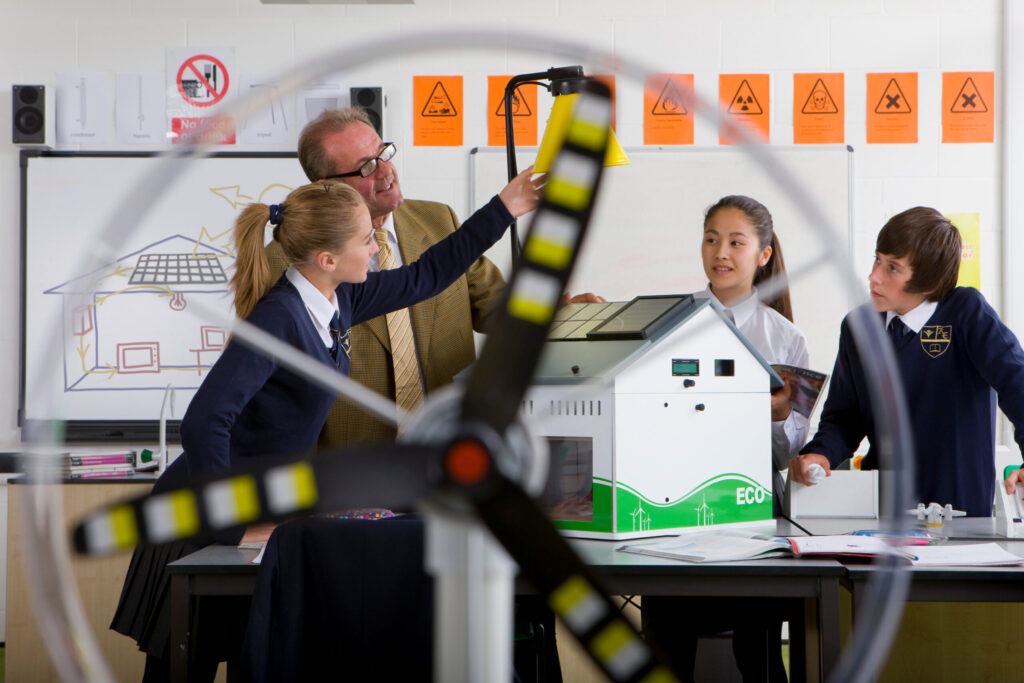
Essential Tools and Equipment for DT Classrooms
A successful Design and Technology department relies on having access to practical resources that support a wide variety of projects and learning objectives. From traditional workshop tools to modern digital technologies, every piece of equipment contributes to students’ development as designers, engineers, and problem-solvers.
Core DT Tools and Workshop Equipment
The foundation of any well-equipped DT classroom begins with core workshop tools. These resources allow students to learn essential practical skills while developing confidence in working with a range of materials.
Measuring and marking tools are among the most frequently used DT tools for schools. Accurate measurement is fundamental to successful design and manufacture, making rulers, tape measures, engineers’ squares, marking gauges, compasses, and protractors essential resources for daily lessons.
Cutting and shaping equipment also forms a vital part of practical learning. Depending on age and project requirements, students may use craft knives, coping saws, junior hacksaws, files, rasps, and specialist shaping tools to transform raw materials into finished products.
Hand tools remain central to many areas of resistant materials education. Hammers, screwdrivers, pliers, chisels, clamps, and spanners allow students to develop practical skills while gaining experience with traditional manufacturing techniques.
Electronics has become an increasingly important area within secondary DT teaching resources. Circuit boards, LEDs, resistors, switches, batteries, sensors, and soldering equipment enable students to explore electronic systems and product design in meaningful ways.
Alongside practical tools, essential DT workshop equipment should include appropriate safety resources. Safety goggles, protective gloves, first aid equipment, extraction systems, and machine guards all help create a safe and compliant learning environment.
Materials for Practical DT Projects
Tools are only part of the equation. Students also require access to a variety of materials that allow them to test ideas, create prototypes, and manufacture finished products.
Wood remains one of the most commonly used materials within secondary DT classrooms. Softwoods, manufactured boards, dowels, and sheet materials provide opportunities for students to explore construction techniques and product development.
Plastic materials support a wide range of design projects, particularly those involving modelling, product design, and prototype creation. Acrylic, styrene, and other plastics allow students to investigate manufacturing processes and material properties.
Metal resources are often used within resistant materials and engineering-focused projects. Aluminium, steel, copper, and wire products provide valuable opportunities for developing technical skills and understanding material performance.
Cardboard and modelling materials continue to play a significant role in early-stage design work. These resources allow students to create quick prototypes, test concepts, and refine ideas before moving to more expensive materials.
Textiles resources are equally important in many DT departments. Fabrics, threads, fastenings, needles, and sewing materials support projects that combine creativity with practical making skills.
Fasteners, adhesives, and fixings should also be readily available. Screws, nuts, bolts, rivets, glue guns, adhesives, and joining materials are essential for assembling projects and exploring different construction methods.
A diverse selection of prototyping materials encourages experimentation and allows students to develop creative solutions through iterative design processes.
Digital and Technology-Based Resources
Modern DT education increasingly incorporates digital technologies that prepare students for future careers in design, engineering, and manufacturing.
Computer-aided design software has transformed how students develop and communicate ideas. CAD programmes enable learners to create detailed technical drawings, visualise products, and explore modifications before production begins.
3D printing has become an increasingly valuable resource within secondary school DT classroom resources. By allowing students to transform digital designs into physical models, 3D printers support rapid prototyping and innovative design thinking.
Robotics and coding kits provide opportunities to explore automation, programming, and engineering principles. These resources help bridge the gap between traditional Design and Technology and emerging STEM disciplines.
Digital drawing tablets, modelling software, and visualisation tools also enhance creative design work by enabling students to develop professional presentation skills and technical understanding.
Technology continues to reshape modern DT learning, making it essential for schools to provide access to resources that reflect contemporary design and manufacturing practices.
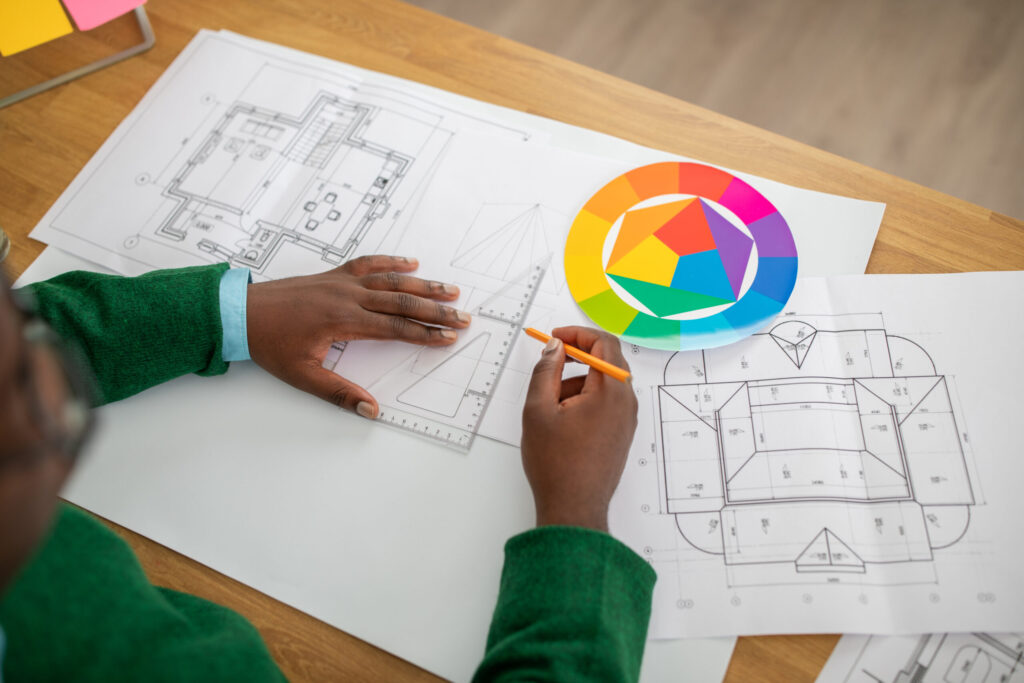
Classroom Organisation and Storage Solutions
Even the most well-equipped DT classroom can become difficult to manage without effective organisation systems. Practical learning environments require thoughtful storage solutions and flexible layouts that support both safety and efficiency.
Safe and Efficient Resource Storage
Effective storage is one of the most important DT classroom organisation ideas for teachers seeking to maximise learning time and minimise disruption.
Tool storage systems should ensure that equipment remains secure, accessible, and easy to locate. Clearly designated storage areas help students develop responsibility while reducing time spent searching for resources during lessons.
Labelling systems can significantly improve organisation. Clearly marked cupboards, drawers, shelving units, and storage bins allow both teachers and students to quickly identify and return equipment.
Material storage also requires careful consideration. Wood, plastics, metals, textiles, and consumables should be stored safely while remaining readily available for practical activities.
Accessibility is another important factor. Resources should be organised in ways that support independent learning while reducing unnecessary movement around busy workshop spaces.
By maintaining organised storage systems, teachers can reduce clutter, improve lesson efficiency, and create more productive learning environments.
Creating Flexible DT Workspaces
Design and Technology lessons often involve a mixture of practical work, collaborative projects, theory teaching, and independent design activities. Flexible classroom layouts can help accommodate these varying requirements.
Group work areas support collaboration, communication, and teamwork. These spaces encourage students to share ideas, solve problems together, and engage in peer feedback activities.
Demonstration areas allow teachers to model practical techniques safely and effectively. Clear sightlines and appropriate presentation spaces ensure all students can observe demonstrations and instructions.
Adjustable workstations provide flexibility for different project types and learner needs. Adaptable furniture can support both practical activities and written work, helping maximise available classroom space.
Dedicated design spaces allow students to focus on sketching, planning, and portfolio development without interference from practical workshop activities.
A flexible environment supports a wider range of teaching approaches while helping departments make the most of available facilities.
Supporting Health and Safety in DT
Health and safety remains a fundamental aspect of successful Design and Technology education.
Personal protective equipment should be readily available and appropriate for the activities being undertaken. Safety glasses, aprons, hearing protection, and gloves help reduce risks while promoting safe working habits.
Clear safety signage supports awareness and reinforces expectations. Visual reminders can help students identify hazards and follow appropriate procedures during practical activities.
Teachers should establish clear routines for demonstrations, equipment use, and workshop behaviour. Consistent expectations contribute to safer and more effective learning environments.
Regular equipment maintenance and inspection are equally important. Well-maintained tools and machinery not only improve safety but also ensure resources remain reliable and effective over time.
By embedding safety into everyday classroom practice, teachers can help students develop valuable habits that extend beyond the DT workshop.
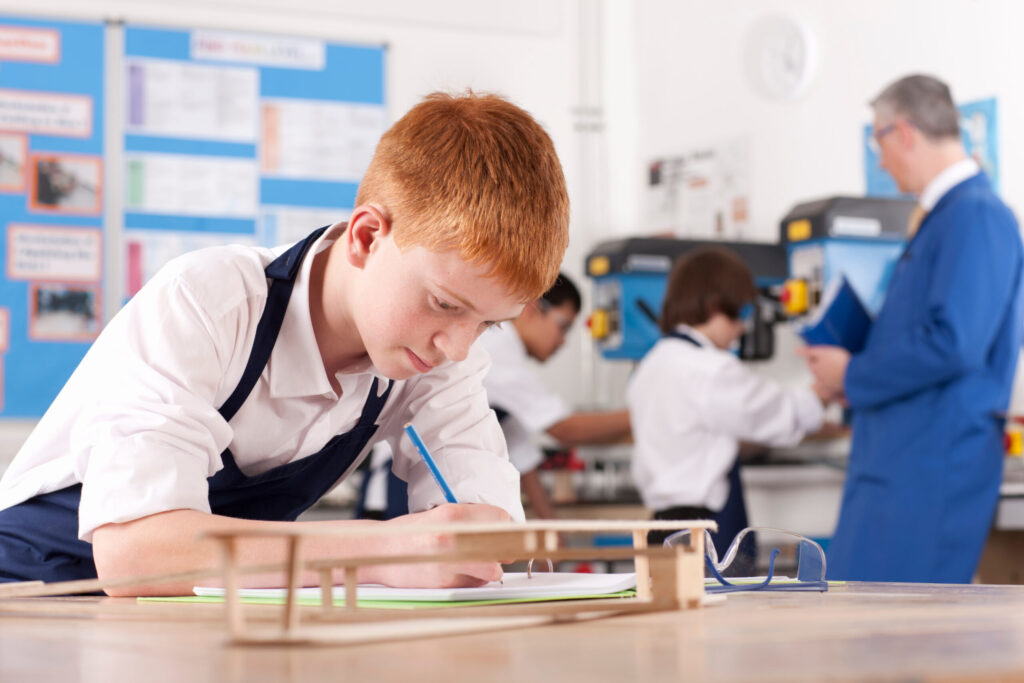
Resources That Support Creative and Technical Learning
The best DT classrooms inspire students to think creatively, solve problems, and develop innovative solutions. Carefully chosen resources can support these outcomes while encouraging curiosity and engagement.
Encouraging Creativity and Problem-Solving
Creativity sits at the heart of Design and Technology. Providing opportunities for open-ended exploration encourages students to think independently and develop original ideas.
Design challenges can help students apply knowledge in meaningful contexts while developing resilience and critical thinking skills. Real-world scenarios often increase engagement by demonstrating the practical relevance of DT.
STEM and engineering projects provide further opportunities for innovation. Whether building structures, designing sustainable products, or developing electronic systems, students benefit from activities that combine theoretical knowledge with practical application.
Prototyping resources encourage experimentation and iteration. By testing and refining ideas, students learn that successful design often involves continuous improvement rather than immediate perfection.
Collaborative projects also help develop communication, teamwork, and problem-solving skills that are highly valued in future education and employment.
Supporting KS3 and GCSE DT Projects
As students progress through KS3 and KS4, they require increasingly specialised resources that support coursework and portfolio development.
Sketching materials remain essential throughout the design process. Pencils, markers, technical drawing equipment, and presentation resources help students communicate ideas effectively.
Planning tools such as design journals, project folders, and development templates support structured project work while encouraging reflective thinking.
Modelling materials allow students to create and test concepts before committing to final designs. These resources support evaluation and refinement while reducing material waste.
Presentation resources help students showcase their work professionally. Display boards, mounting materials, and portfolio development tools contribute to high-quality project outcomes.
Practical equipment that supports iterative design work remains particularly valuable for GCSE students, who often need opportunities to test, evaluate, and improve designs repeatedly throughout coursework projects.
Cross-Curricular DT Opportunities
Design and Technology naturally connects with a wide range of curriculum subjects.
Links between DT, science, and maths help students apply theoretical knowledge in practical contexts. Engineering projects, structural challenges, and product testing activities provide excellent opportunities for cross-curricular learning.
Sustainability has become an increasingly important theme within modern DT education. Eco-design projects encourage students to consider environmental impacts while developing responsible design practices.
Coding and electronics continue to strengthen links between DT and computing. Programmable devices, robotics kits, and smart technologies provide engaging opportunities for interdisciplinary learning.
Exploring careers in engineering, product design, architecture, manufacturing, and technology can also help students understand how classroom learning connects to future opportunities.
Enterprise projects provide additional links with business education, encouraging students to consider product development, marketing, budgeting, and commercial viability.

Inclusive and Engaging DT Learning Environments
An effective DT classroom should provide opportunities for every student to participate, achieve, and develop confidence regardless of ability or prior experience.
Supporting Different Learning Styles
Students learn in different ways, making varied teaching approaches essential within Design and Technology.
Visual demonstrations can help learners understand complex processes and practical techniques more effectively. Instruction cards, diagrams, and visual guides provide valuable reference points during independent work.
Hands-on learning opportunities are particularly important in DT. Many students benefit from kinaesthetic approaches that allow them to learn through making, testing, and experimenting.
Collaborative project work encourages communication and peer learning while providing opportunities for students to share strengths and support one another.
Scaffolded tasks help break larger projects into manageable stages, supporting learners who may find complex activities overwhelming.
Adaptable resources allow teachers to meet the needs of mixed-ability groups while maintaining high expectations for all learners.
SEND-Friendly DT Classroom Strategies
Inclusive classrooms require careful consideration of accessibility and support.
Accessible tools and equipment can help ensure all students can participate fully in practical activities. Ergonomic designs, adapted resources, and supportive equipment may improve access for learners with additional needs.
Simplified instructions and visual prompts often benefit students who require additional support with processing information. Clear step-by-step guidance can improve confidence and independence.
Sensory-friendly approaches may also support some learners. Thoughtful consideration of noise levels, workspace organisation, and task structure can contribute to more comfortable learning experiences.
Structured practical tasks help build confidence gradually while reducing anxiety associated with unfamiliar activities.
SEND and inclusion resources provide practical solutions that help teachers create accessible learning environments where all students can participate meaningfully in Design and Technology lessons.
Building Student Confidence Through DT
One of the greatest strengths of Design and Technology is its ability to build confidence through achievement.
Celebrating creativity and innovation helps students recognise the value of their ideas and efforts. Displaying work and sharing successes can contribute to positive classroom culture.
Encouraging experimentation helps students develop resilience and understand that mistakes are a natural part of the design process.
Teamwork activities promote communication and collaboration while helping students learn from one another.
Independent design work encourages decision-making, ownership, and self-confidence. These experiences help prepare students for future educational and workplace challenges.
Most importantly, DT helps students connect practical skills with real-world careers. By understanding how design, engineering, manufacturing, and technology influence everyday life, students can begin to see pathways into future employment and further study.
Get Your Classroom Ready to Teach DT
A well-stocked secondary school DT classroom provides far more than tools and materials. It creates an environment where creativity, problem-solving, technical skills, and innovation can flourish.
Well-organised classrooms support safer and more efficient learning experiences, allowing teachers to focus on delivering engaging lessons rather than managing resource challenges. High-quality design and technology classroom equipment enables students to develop practical skills while exploring a wide range of materials, technologies, and design processes.
From traditional workshop tools and prototyping materials to digital technologies and STEM resources, the right equipment helps support meaningful learning experiences across KS3 and KS4. Inclusive resources and flexible teaching approaches ensure all learners can participate confidently and achieve success.
By investing in practical technology classroom equipment, effective storage solutions, and engaging learning resources, schools can create DT environments that inspire the next generation of designers, engineers, innovators, and problem-solvers. TTS offers a comprehensive range of resources designed to support modern secondary school teaching and help departments create successful learning environments for every student.