

The start of a new academic year is always an exciting time for secondary teachers. It brings fresh opportunities, new classes, and the chance to establish positive learning environments that support student success from day one. However, it can also be one of the busiest periods of the school year. From organising classroom resources and preparing lessons to setting up routines and ensuring technology is working effectively, there is a lot to consider before students arrive.
Careful preparation not only helps reduce stress but also ensures that classrooms are organised, engaging, and ready to support learning from the very first lesson. A well-prepared classroom allows teachers to focus on delivering high-quality teaching rather than dealing with preventable organisational challenges.
This blog explores everything teachers need to consider when preparing for a new term, from secondary school classroom setup and classroom organisation ideas for teachers to lesson preparation, classroom management tools, and secondary classroom resources that help create a successful learning environment.
Preparing Your Secondary Classroom for the New Term
Preparing your classroom before students return creates the foundation for a productive and positive year. Taking time to organise the learning environment, stock essential supplies, and prepare technology can make a significant difference once lessons begin.
Organising Your Classroom Space
An effective secondary school classroom setup starts with the physical learning environment. Whether you teach in a dedicated classroom or move between spaces, creating an organised environment helps improve learning outcomes and classroom management.
Begin by reviewing desk layouts and seating arrangements. Consider how your furniture arrangement supports collaboration, discussion, independent work, and movement around the classroom. Flexible seating plans often allow teachers to adapt lessons more easily while ensuring all students can see teaching displays and presentation screens clearly.
Clear walkways are equally important. Students should be able to enter, exit, and move around the classroom safely and efficiently. Designating specific learning zones can also help support different teaching approaches, particularly in practical subjects where resources may need to be accessed regularly.
Teacher workspaces should be organised to maximise efficiency. Storage systems for lesson materials, assessment folders, and frequently used resources can save considerable time during busy teaching days. Practical storage units, classroom furniture, and organisational solutions can help create structured environments where resources remain accessible without creating clutter.
Noticeboards and classroom displays also deserve attention before the start of term. Displays can be used to reinforce key curriculum content, celebrate achievement, highlight learning strategies, and communicate classroom expectations. Well-designed displays contribute to a welcoming atmosphere while supporting ongoing learning throughout the year.
Ensuring resources are clearly organised and labelled will further support smooth lesson delivery. Students should know where to find and return materials independently, helping to reduce disruption and encourage responsibility.

Stocking Up on Essential Classroom Supplies
Every effective back to school checklist for teachers should include a review of classroom supplies. Running out of essential resources during the first few weeks of term can create unnecessary stress and interruptions.
Basic stationery remains fundamental in secondary classrooms. Whiteboard pens, pencils, rulers, highlighters, glue sticks, and erasers should be readily available for both teachers and students. Keeping spare supplies on hand ensures lessons can continue smoothly when students arrive unprepared.
Exercise books, folders, and organisational materials should also be checked and replenished. Different subject areas may require specialist resources, so reviewing curriculum requirements before term begins can help identify any gaps.
Labelling materials can further improve organisation. Clearly marked storage boxes, folders, trays, and equipment containers make it easier for both teachers and students to locate resources quickly.
Secondary teacher essentials often vary depending on the subject being taught. Science teachers may need practical equipment and laboratory materials, while humanities teachers may focus on atlases, maps, and revision resources. Regardless of subject specialism, having backup supplies readily available can help maintain lesson flow and minimise disruptions.
Preparing Digital and Teaching Technology
Technology now plays a central role in many secondary classrooms. Before students return, teachers should take time to ensure all digital tools and systems are functioning effectively.
Interactive displays, projectors, visualisers, and classroom computers should be tested to identify any technical issues before lessons begin. Addressing problems early can prevent disruptions during teaching time.
Digital lesson resources should also be reviewed and organised. Creating clearly labelled folders for schemes of work, lesson presentations, assessments, and revision materials can save significant time throughout the year. Cloud-based storage systems often provide additional flexibility and accessibility.
Many schools also use online learning platforms to share resources, collect assignments, and communicate with students. Ensuring these platforms are updated and ready for use before term starts helps establish consistency from the outset.
Accessibility should remain a key consideration when preparing digital resources. Providing materials in formats that support different learning needs helps ensure all students can access the curriculum effectively.
Classroom Management and Organisation Essentials
Strong classroom management begins long before students enter the room. Establishing routines, preparing support resources, and planning for diverse learning needs can help create a positive and productive classroom culture.
Setting Up Effective Classroom Routines
Consistent routines are one of the most effective classroom management tools available to secondary teachers. Clear expectations reduce uncertainty, improve behaviour, and maximise learning time.
Entry routines should be carefully planned. Students benefit from knowing exactly what is expected when they arrive, whether this involves collecting equipment, completing a starter activity, or preparing materials for the lesson ahead. Exit routines are equally important. Structured endings help reinforce key learning points while ensuring resources are returned correctly and classrooms remain organised.
Equipment collection and return systems can significantly reduce disruption. Clearly designated locations for resources help students work independently while minimising lost materials.
Behaviour expectations should be communicated clearly from the very beginning. Establishing classroom rules and consistently reinforcing them helps create a positive learning environment where students understand expectations and boundaries.
Transitions between activities also deserve attention. Well-planned transitions maintain lesson momentum and reduce opportunities for off-task behaviour.
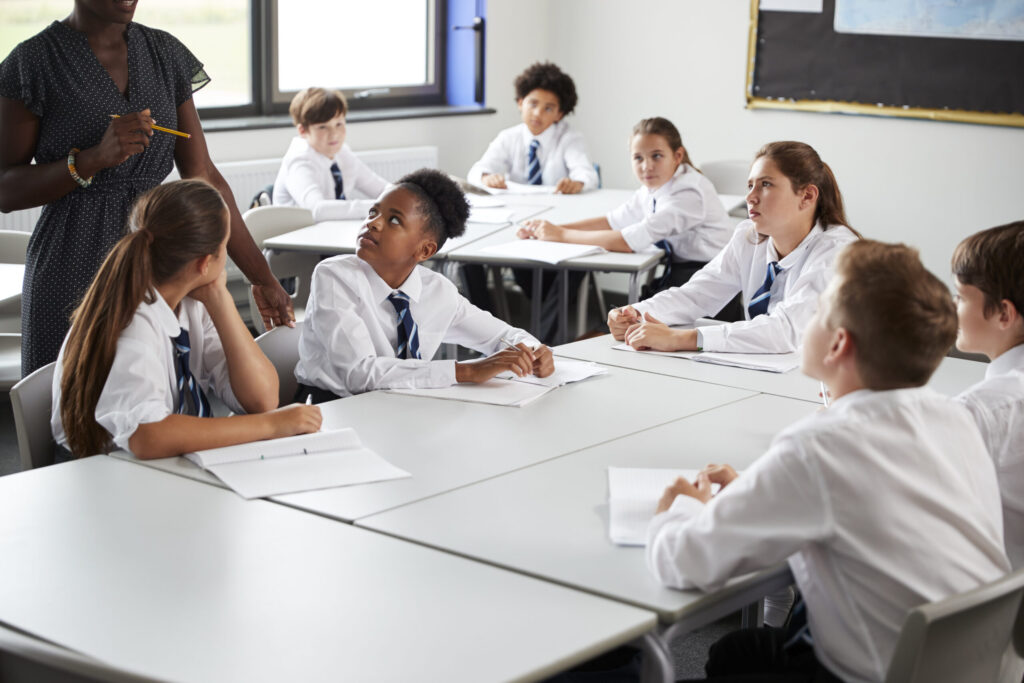
Resources That Support Classroom Management
Many practical resources can support effective classroom management throughout the school year.
Visual timers provide clear expectations around task completion and help students manage their time more effectively. Schedule displays can also support lesson structure by helping students understand what is coming next.
Reward and recognition systems remain valuable tools for encouraging positive behaviour and engagement. These systems can help reinforce classroom expectations while building student confidence and motivation.
Seating plan tools and classroom labels contribute to smoother organisation and more effective classroom management. Clearly identified seating arrangements can support behaviour management while helping teachers learn student names more quickly.
Group work resources, discussion prompts, and collaborative learning tools can also help facilitate productive classroom interactions. When students understand expectations and have access to appropriate resources, collaborative activities often become more successful.
Practical organisational resources – such as furniture and storage – can further support classroom management by helping teachers maintain structured and efficient learning environments.
Planning for Different Learning Needs
Inclusive classrooms require careful preparation to ensure all students can access learning opportunities effectively.
Preparing differentiated resources before the start of term can help teachers respond more confidently to varying student needs. Scaffolded activities, visual supports, and structured learning materials often benefit a wide range of learners.
Supporting students with SEND should remain a central consideration during back to school teacher preparation. Practical SEND resources, sensory support materials, and inclusive learning tools can help create environments where all students feel supported and able to succeed.
Stretch and challenge materials should also be prepared for higher-attaining students. Having extension activities readily available ensures all learners remain appropriately challenged throughout lessons.
Flexible lesson resources that can be adapted for mixed-ability groups allow teachers to respond more effectively to the diverse needs present in many secondary classrooms.
Lesson Planning and Resource Preparation
Thorough lesson preparation helps ensure a smooth start to the academic year while reducing workload pressures during busy teaching weeks.
Preparing Lessons and Teaching Materials
Reviewing schemes of work and long-term plans before term begins provides a clear overview of curriculum requirements and learning objectives.
Lesson plans should be organised in ways that allow quick access and easy adaptation. Teachers often benefit from creating consistent planning templates that streamline preparation processes.
Worksheets, assessment materials, and classroom handouts can be prepared in advance wherever possible. Batch printing frequently used resources before term starts can save considerable time later.
Starter activities and retrieval practice tasks are particularly valuable during the first few weeks of school. These activities help reinforce prior learning while establishing classroom routines.
Practical tasks, collaborative learning opportunities, and assessment resources should also be prepared ahead of time. Having resources ready to use allows teachers to focus on lesson delivery rather than last-minute preparation.

Building a Flexible Classroom Resource Toolkit
Every secondary teacher benefits from maintaining a collection of versatile teaching resources that can be used across multiple lessons and topics.
Reusable teaching aids provide excellent value while supporting a range of learning activities. Visual organisers, discussion prompts, mini whiteboards, and classroom manipulatives can all contribute to more engaging lessons.
Subject-specific equipment remains essential for many curriculum areas. Investing time in organising and maintaining these resources before term begins helps ensure they remain accessible throughout the year.
Visual learning materials and display resources can also support student understanding by reinforcing key concepts and vocabulary.
Collaborative learning tools encourage discussion, problem-solving, and teamwork. Having these resources readily available enables teachers to incorporate active learning approaches more frequently. Practical storage solutions can also help protect frequently used resources while ensuring they remain organised and accessible.
Time-Saving Preparation Strategies
One of the most valuable aspects of effective preparation is the potential to reduce workload later in the year.
Batch preparing materials allows teachers to complete repetitive tasks more efficiently. Printing, laminating, and organising resources in advance can significantly reduce pressure during term time.
Digital organisation is equally important. Creating clearly labelled folders and reusable templates helps streamline lesson planning and resource management.
Reusable classroom displays can also save time while maintaining visual impact. Rather than creating entirely new displays each term, teachers can design flexible displays that can be updated easily.
Ready-to-use activity packs offer another practical solution. Having extension tasks, retrieval activities, and revision materials prepared in advance provides flexibility when lesson plans need adapting.
Planning routines that minimise unnecessary workload can also contribute to greater sustainability throughout the school year.
Supporting Student Engagement from Day One
Strong engagement during the first few weeks of term helps establish positive learning habits and classroom culture that can last throughout the year.
Creating a Positive Classroom Environment
A welcoming classroom environment helps students feel comfortable, valued, and ready to learn.
Displays that celebrate learning, highlight student achievement, and communicate positive messages contribute to an inviting atmosphere. These visual elements can help students feel connected to the classroom from their very first lesson.
Building positive teacher-student relationships should also be a priority. Taking time to learn names, understand interests, and establish rapport can significantly improve engagement and behaviour.
Encouraging participation from the outset helps create inclusive learning environments where students feel confident contributing to discussions and activities.
Establishing routines early provides structure and consistency, helping students understand expectations while building confidence.

Engaging Activities for the First Weeks Back
The opening weeks of term present valuable opportunities to re-establish learning habits and build classroom communities.
Retrieval practice activities can help students revisit previous learning while providing teachers with useful insights into existing knowledge and understanding.
Collaborative challenges encourage teamwork and communication while helping students develop positive relationships with classmates.
Subject-specific starter activities can generate enthusiasm and curiosity about upcoming learning. These activities often help create positive first impressions while setting expectations for future lessons.
Goal-setting tasks encourage students to reflect on their aspirations and identify areas for personal growth. Reflection activities can also support self-awareness and motivation.
Discussion-based learning opportunities provide students with chances to share ideas, develop confidence, and engage actively with lesson content.
Maintaining Organisation Throughout the School Year
Preparation should not end once the term begins. Regular review and refinement of classroom systems helps ensure organisation remains effective throughout the year.
Teachers should periodically evaluate routines, storage systems, and classroom layouts to identify potential improvements. Small adjustments can often lead to significant gains in efficiency.
Refreshing classroom resources and displays can help maintain student interest and engagement over time. Rotating materials also ensures resources remain relevant and aligned with current learning objectives.
Effective stock management helps prevent shortages and supports smoother lesson delivery. Regularly checking supplies allows teachers to replenish resources before they become problematic.
Encouraging students to take responsibility for classroom organisation can further support efficient learning environments. When students understand expectations and contribute to maintaining systems, classrooms often run more smoothly.

Start to Prepare for Going Back to School
A comprehensive back to school checklist for secondary teachers can make a significant difference to the success of the academic year. Thoughtful preparation helps create organised, engaging, and inclusive classrooms where both teachers and students can thrive.
From secondary school classroom setup and classroom supplies for secondary schools to lesson planning, classroom management tools, and inclusive learning resources, every aspect of preparation contributes to a more positive and productive learning environment.
Effective organisation reduces stress, improves lesson delivery, and helps teachers make the most of valuable teaching time. Practical classroom resources support engagement, behaviour management, and curriculum delivery, while inclusive planning ensures all learners have opportunities to succeed.
By investing time in back to school teacher preparation, teachers can establish strong foundations that support learning throughout the year. TTS offers a wide range of secondary classroom resources, storage solutions, SEND support materials, and classroom essentials designed to help secondary teachers prepare confidently for a successful new term.