

PE, short for Physical Education, is a vital part of primary school life and focuses on developing children’s movement skills, fitness, confidence, and overall wellbeing through structured physical activity.
In UK primary schools, PE is a compulsory part of the National Curriculum. However, its value goes far beyond keeping children active. PE supports physical health, mental wellbeing, social development, and even academic performance. At a time when many children spend more hours sitting indoors and using screens, the importance of PE in schools has never been greater.
What Is PE?
Physical Education is a structured subject designed to help children develop physical competence, coordination, and confidence through movement and activity. PE lessons encourage pupils to improve their fitness while learning how to work independently and with others.
In a typical primary school PE lesson, children take part in activities such as running, jumping, balancing, throwing, catching, gymnastics, dance, and team games. These lessons are designed to be active, engaging, and inclusive so that every child can participate and develop at their own pace.
PE is not only about physical exercise. It also plays an important role in helping children build social and cognitive skills. Through games and activities, pupils learn teamwork, communication, problem-solving, resilience, and decision-making. These are skills that benefit children both inside and outside the classroom.

What PE Looks Like in Primary Schools
Primary school PE is structured according to the National Curriculum and is divided into Key Stage 1 and Key Stage 2.
Key Stage 1 (Ages 5 to 7)
At Key Stage 1, the emphasis is on developing fundamental movement skills and building confidence. Pupils learn basic actions such as running, jumping, catching, throwing, balancing, and coordination. Lessons focus on helping pupils become comfortable with movement while encouraging enjoyment and participation.
Key Stage 2 (Ages 7 to 11)
During Key Stage 2, children begin to apply these skills in more structured games, sports, and activities. Pupils learn about teamwork, tactics, rules, and fair play while continuing to improve their physical abilities and fitness levels.
Across both key stages, PE lessons may include:
- Gymnastics activities that develop flexibility, balance, and control
- Dance lessons that encourage creativity and expression
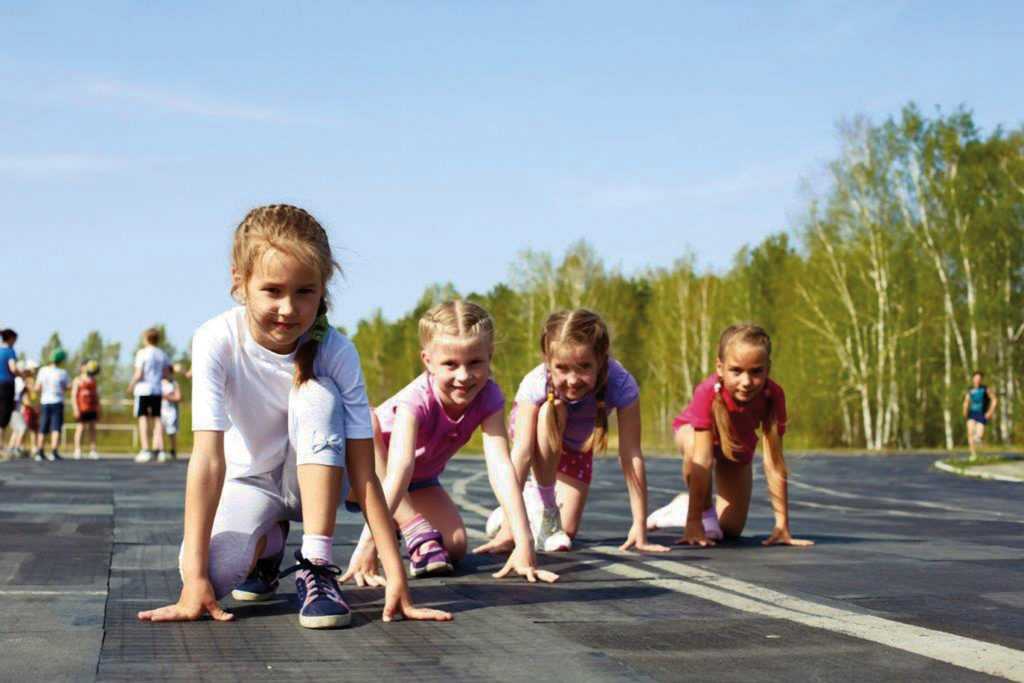
- Athletics activities including running, jumping, and throwing
- Outdoor and adventurous activities such as orienteering and problem-solving challenges
This variety allows children to discover activities they enjoy while developing a broad range of physical skills.
Why Is Primary School PE Important?
PE is important because of the wide range of benefits it provides for children’s development. Physical Education can support:
Physical Health
One of the most obvious benefits of PE is improved physical health. Regular physical activity helps children develop strength, coordination, balance, and cardiovascular fitness. It also supports healthy growth and can reduce the risk of childhood obesity and related health issues.
Children who participate in PE regularly are more likely to build healthy habits that continue into adulthood. Encouraging movement from an early age can help establish a lifelong appreciation for exercise and wellbeing.
Mental Wellbeing
Physical activity has a strong connection to mental health. PE can help reduce stress and anxiety while improving mood and self-esteem. For many children, PE lessons provide an important opportunity to release energy, feel positive, and reset during the school day.
Exercise also encourages the release of endorphins, which can help children feel happier and more confident. This can have a positive impact on behaviour, emotional wellbeing, and classroom engagement.
Social Development
PE teaches children valuable social skills through teamwork and shared activities. Pupils learn how to communicate, cooperate, encourage others, and handle both success and disappointment. These experiences help children build confidence and improve relationships with their peers.
Participating in team games and group challenges also teaches children about fairness, respect, and resilience, which are important life skills beyond school.
Academic Benefits
Research continues to show that active children often perform better academically. Physical activity can improve concentration, memory, and behaviour, helping pupils stay focused and engaged in lessons.
By supporting mental alertness and reducing stress, PE can positively influence overall academic performance and classroom participation.

Benefits of Physical Education in Primary School
The benefits of physical education extend far beyond the sports hall or playground. Children who take part in regular PE can experience improvements in their physical fitness, confidence, social skills, and emotional wellbeing.
PE encourages healthy lifestyles, supports mental health, and helps children develop discipline and resilience. It can also improve communication skills, teamwork, and problem-solving abilities. These benefits often continue throughout later education and into adult life.
Perhaps most importantly, PE helps children discover enjoyment in movement and activity, creating positive habits that can support lifelong health.
The advantages of physical education differ slightly depending on a child’s age and stage of development. For younger pupils in Key Stage 1, PE focuses on developing coordination, balance, and confidence in movement. Children learn through exploration, play, and simple activities that build their physical foundations.
In Key Stage 2, pupils begin refining these skills and applying them in structured games and sports. At this stage, PE also helps children develop resilience, teamwork, leadership, and perseverance.
Across all year groups, PE introduces children to structured sport and teaches important values such as discipline, fair play, and respect for others.
How Many Hours of PE should be taught in Primary Schools?
A common question among parents and teachers is how many hours of PE primary school pupils receive each week.
In the UK, schools are generally expected to provide at least two hours of PE per week for primary pupils. Many schools also offer additional opportunities through sports clubs, active playtimes, competitions, and extracurricular activities.
While PE lessons are important, children should also be encouraged to stay active outside school through play, family activities, and community sports.

How Schools Can Improve PE Provision
To maximise the benefits of PE, schools should focus on creating engaging, inclusive, and high-quality experiences for all pupils.
Providing a broad range of activities allows children with different interests and abilities to participate confidently. Inclusive teaching practices help ensure every child feels supported and able to succeed.
Investment in quality PE equipment, teacher training, and well-planned lessons can also improve participation and enjoyment. Schools that prioritise PE often see positive effects on pupil wellbeing, behaviour, and engagement across the wider curriculum.
Encouraging physical activity beyond PE lessons through sports clubs, active learning, and playground activities can further support healthy lifestyles and long-term wellbeing.
In Conclusion – Think About Getting Children Active
Understanding what PE is and why it is important highlights the essential role physical education plays in primary schools. PE is far more than simply exercise or sport. It supports children’s physical health, mental wellbeing, social development, and academic success.
As children face increasing levels of inactivity and screen time, the importance of PE in schools continues to grow. By investing in high-quality physical education, schools can help children develop confidence, resilience, healthy habits, and a lifelong enjoyment of movement and activity.
Physical education is not just about helping children stay fit today. It is about giving them the skills and habits they need for a healthier and more active future.