

School sports clubs are one of the most effective ways to keep children active, engaged, and motivated beyond the classroom. Whether delivered after school or during lunch breaks, these clubs provide valuable opportunities for pupils to develop physical skills, build confidence, and enjoy being active in a fun, social environment.
For many schools, starting a school sports club can feel like a big task. However, with the right planning and approach, it can be simple, affordable, and incredibly rewarding. From boosting physical health to improving behaviour and engagement, primary school sports clubs play a vital role in supporting whole-child development.
In this guide, we’ll break down exactly how to run a school sports club, from initial setup to long-term success, with practical ideas you can implement straight away.
Why Start a School Sports Club?
There are many reasons why schools invest in extracurricular sports activities, and the benefits go far beyond physical fitness.
Firstly, sports clubs help children stay active. With increasing screen time and sedentary lifestyles, providing structured opportunities for movement is essential. Regular participation improves fitness, coordination, and overall health.
Secondly, sports clubs support mental wellbeing. Physical activity is proven to reduce stress, boost mood, and increase confidence. For some pupils, these clubs provide a safe space to unwind and express themselves.
Social development is another key benefit. Through teamwork, communication, and shared experiences, children learn valuable interpersonal skills that carry into the classroom and beyond.
From a school perspective, sports clubs align closely with the PE curriculum and Ofsted priorities around personal development and wellbeing. They also extend learning beyond PE lessons, reinforcing skills in a more relaxed and enjoyable setting.
How to Set Up a Sports Club in a Primary School
If you’re wondering how to set up a sports club in a primary school, the process can be broken down into manageable steps.
Start by identifying your goals. Decide whether your club will focus on fitness, fun, skill development, or competition. This will shape the structure and activities you choose.
Next, consider your target age group. KS1 sports club ideas will differ significantly from KS2 sports club ideas, so tailoring your sessions to the right age is essential.
You’ll also need to decide on timing. After-school clubs typically allow for longer sessions and more in-depth activities, while lunchtime sports clubs are shorter and may require simpler, quicker games.
Safety is a top priority. Carry out risk assessments, ensure safeguarding procedures are in place, and check that all equipment and spaces are safe to use.
Finally, think about your available space. Whether you’re using a hall, playground, or field, your environment will influence the types of activities you can deliver.
What Sports Clubs Can Primary Schools Run?
There are countless sports club options to suit different interests, abilities, and resources.
KS1 Sports Club Ideas
For younger pupils, focus on fun, movement, and basic skill development. Activities should be simple, engaging, and easy to understand.
Games like tag, obstacle courses, and basic ball skills work particularly well. These are also ideal fun sports club activities for small spaces, making them perfect for indoor or limited outdoor areas.
KS2 Sports Club Ideas
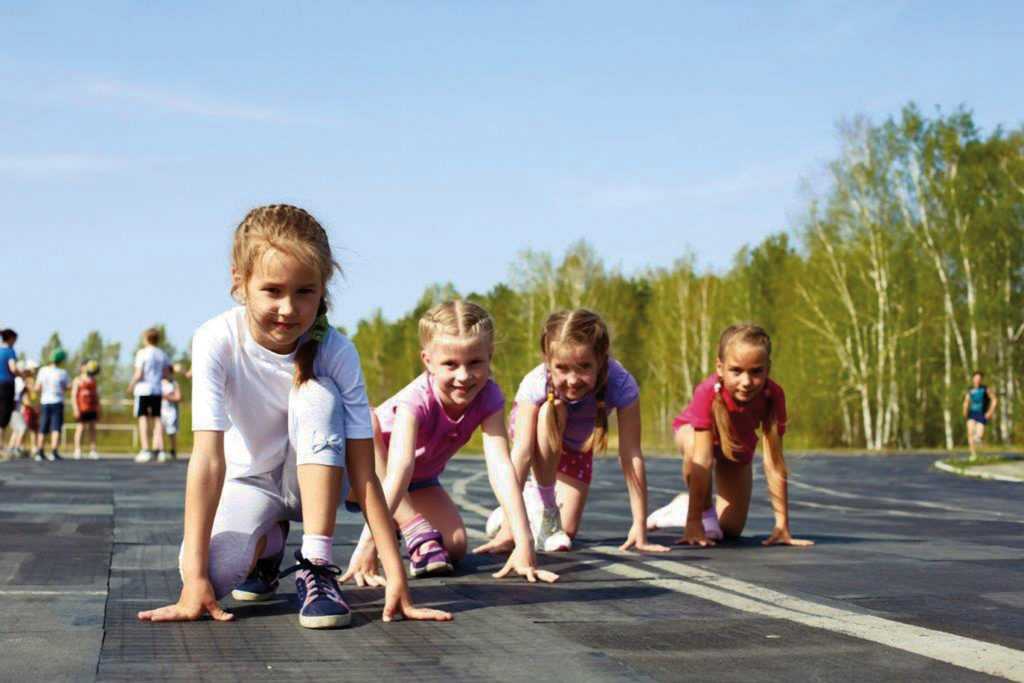
Older pupils are ready for more structured activities and team-based games. Football, netball, cricket, and athletics are all popular options.
At this stage, you can introduce light competition and begin developing tactics and teamwork, while still keeping sessions enjoyable and inclusive.
After-School Sports Clubs Ideas
When it comes to after-school sports clubs ideas, variety is key. Offering a mix of activities keeps pupils engaged and encourages more children to participate.
Clubs can be linked to the PE curriculum, reinforcing skills learned in lessons while providing additional practice in a more relaxed setting. Seasonal activities can also add variety – for example, athletics in the summer and indoor games in the winter.
A rotating club model works well for many schools. This involves changing the focus every half term, allowing pupils to experience a range of sports and activities throughout the year.
Lunchtime Sports Clubs
Lunchtime sports clubs are an excellent way to increase participation, particularly for pupils who may not be able to attend after-school sessions.
These clubs are typically shorter, so activities should be quick to set up and easy to manage. Simple games and small-sided activities work best in this format.
Staffing can be a challenge, so consider involving teaching assistants, sports leaders, or even trained pupil helpers to support delivery.
Lunchtime clubs are also a great way to engage less active pupils, providing a low-pressure environment where they can build confidence and enjoy being active.
Sports Club Ideas That Need Minimal Equipment
If budget or storage is a concern, there are plenty of sports club ideas that need minimal equipment:
- Tag games
- Fitness circuits
- Dance sessions
- Athletics drills such as sprinting or jumping
These activities are easy to organise and highly effective, making them ideal for schools just starting out.

What Equipment Do You Need for a School Sports Club?
School sports clubs don’t need a huge budget to get started and you can be creative with what you use and how you use it.
A basic equipment checklist for school sports clubs can include:
- Balls (for a variety for different sports)
- Cones or markers for setting up activities
- Bibs for team games
- Goals or nets where appropriate
- Storage solutions to keep equipment organised
Having versatile, durable equipment allows you to run a wide range of activities with minimal cost.
Affordable Sports Clubs for Schools
Creating affordable sports clubs for schools is all about making smart choices. Multi-use equipment, such as cones and balls, can be used across multiple activities.
Investing in quality resources that last longer can also save money over time. Schools can gradually build their equipment stock rather than purchasing everything at once.

How to Run a Safe and Inclusive School Sports Club
Knowing how to run a safe and inclusive school sports club is essential for success.
Safety starts with proper planning. Risk assessments should be carried out regularly, and staff should be aware of safeguarding procedures at all times.
Differentiation is key to inclusion. Activities should be adapted to suit different abilities, ensuring that every pupil can participate and feel successful.
How Do You Make Sports Clubs Inclusive?
To drive inclusivity in your sports clubs, focus on creating a welcoming and supportive environment.
Adapt activities so they can be accessed by all pupils, including those with SEND. Use mixed-ability groupings to encourage peer support and collaboration. Also, try to invest in quality inclusive sports equipment to support different abilities.
Most importantly, prioritise participation over competition. While competition can be motivating, the main goal should always be enjoyment and inclusion.
How to Run a Successful Primary School Sports Club
In order to run a successful after-school sports club, you will need consistency, planning, and engagement.
Plan your sessions in advance, ensuring they are structured but flexible. A good session typically includes a warm-up, main activity, and cool-down.
Behaviour management is important. Setting clear expectations and maintaining a positive environment helps sessions run smoothly.
Keeping engagement high is key. Vary activities, introduce challenges, and celebrate progress to keep pupils motivated.
Tracking attendance can help you identify patterns and improve your offer. Celebrating success – whether through certificates, awards, or simple recognition – can also boost motivation and retention.

Conclusion – Start your Primary School Sports Club!
Starting and running primary school sports clubs doesn’t have to be complicated. By starting small, planning carefully, and focusing on inclusion and enjoyment, any school can create a successful and impactful programme.
The benefits are clear – from improved physical health to increased confidence and stronger social skills. With the right approach, school sports clubs can become a valuable part of school life.
Take the time to review your primary school sports equipment, plan your sessions, and listen to pupil feedback. With these foundations in place, you’ll be well on your way to building a thriving and sustainable sports club that makes a lasting difference.