

Creating an engaging, inclusive and effective physical education environment starts with having the right PE equipment in place. In primary schools, PE is about far more than just sport. It builds confidence, teamwork, coordination and lifelong healthy habits.
The equipment used plays a crucial role in shaping how children experience physical activity, whether during structured PE lessons or active play in the school playground.
From foundational movement skills in Key Stage 1 to more structured sport in Key Stage 2, having access to high-quality primary school PE equipment ensures that every child can participate, progress and enjoy being active.
Alongside curriculum delivery, well-chosen playtime equipment also transforms breaktimes into opportunities for movement, creativity and social development.
Why Quality PE Equipment Matters in Primary Schools
The quality of school PE equipment has a direct impact on how pupils engage with physical activity. When equipment is accessible, appropriate and well-maintained, children are far more likely to take part with enthusiasm. Bright, varied and purposeful resources naturally encourage participation, especially for younger pupils who benefit from visually stimulating and easy-to-use equipment.
High-quality physical education equipment also supports teachers in delivering the curriculum effectively. With the right resources, lessons can flow more smoothly, transitions are quicker and activities can be differentiated to meet a range of abilities. This is particularly important in mixed-ability classes where inclusive teaching is key.
Safety is another essential factor. Durable, well-designed equipment reduces the risk of injury and withstands regular use in busy school environments. Investing in reliable PE sports equipment for schools ensures longevity, meaning fewer replacements and better value over time.
Most importantly, the right primary school PE equipment helps to foster positive attitudes towards physical activity. When children associate movement with fun, success and inclusion, they are more likely to carry those habits of maintaining an active lifestyle into later life.
Essential PE Equipment for Primary Schools
When building a strong foundation for PE equipment, there are certain core items that every school should have. These essentials form the backbone of both structured lessons and informal play.
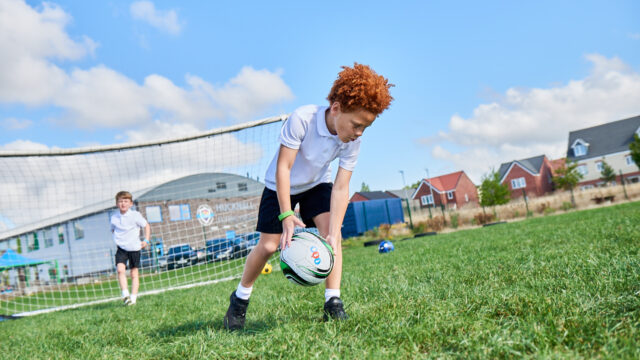
- Balls: A wide range of balls is fundamental, with different sizes, weights and textures allowing for a variety of sports and activities, from basic throwing and catching to more advanced games.
- Cones and markers: These help to define spaces, set up drills and organise pupils into zones.
- Bibs: These are essential for team identification, particularly during games and small-sided matches. They make it easy to distinguish groups and keep activities running smoothly.
- Skipping ropes: These can support cardiovascular fitness, coordination and individual challenges.
- Hoops: These are incredibly adaptable and can be used for everything from target games to agility exercises.
Together, these items form the core of any primary school PE equipment collection, offering flexibility across multiple lessons and age groups.
Physical Education Equipment for Skills Development
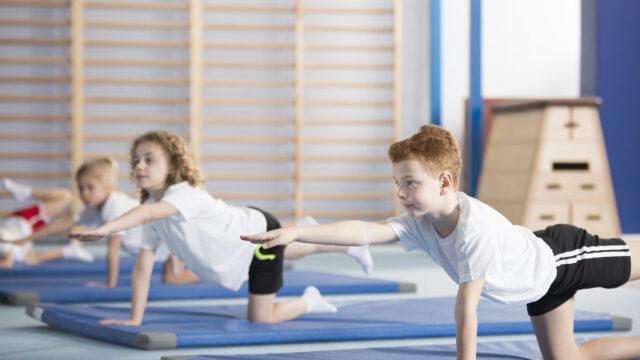
Beyond the basics, schools should consider PE equipment that supports the development of key physical skills. For example, balance equipment, such as beams or stepping pods, helps pupils build stability and control, particularly important in early years and KS1.
Agility ladders are excellent for improving footwork, coordination and speed; these are simple to use yet highly effectively across a range of activities. Reaction and coordination tools, such as catching aids or quick-response games, help to sharpen reflexes and improve hand-eye coordination.
Agility, Balance and Coordination resources are essential for developing fundamental movement skills that underpin all sports and physical activity.
Primary School PE Equipment List
When reviewing or building your provision, it helps to create a primary school PE equipment list. A well-rounded checklist ensures nothing is overlooked and that equipment supports both curriculum and school playground needs. It also helps UK school leaders to assess gaps, plan purchases and maintain a consistent standard across all year groups.
It’s important to note that fitness equipment should cover items that promote strength, agility and coordination, from skipping ropes to balance tools. Storage solutions are equally important, ensuring that this equipment remains organised, accessible and in good condition to keep all children safe. These are all things to consider whilst compiling a PE equipment list.
A football or netball equipment checklist might include appropriately sized balls, bibs, goals and markers. An athletics equipment list might include relay batons, hurdles and measuring tools. A gymnastics equipment list might include crash mats and other apparatus.
By gradually introducing more specialised equipment when children are transitioning from KS1 to KS2, schools can support their skill development while maintaining enjoyment and accessibility for all.
Essential Playground Equipment for Primary Schools
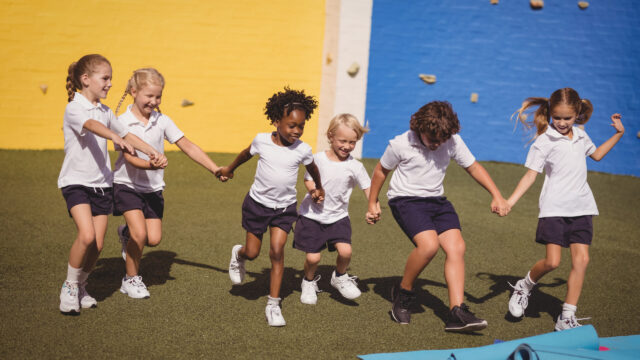
The school playground is an extension of the PE environment, offering valuable opportunities for informal physical activity and social interaction. Well-planned playground equipment for schools can significantly increase daily activity levels among pupils. The right equipment also reduces downtime, keeping pupils active and engaged for longer throughout the lesson.
Here are some examples of essential playground equipment you can use in your setting:
Fixed Playground Equipment
Fixed structures such as climbing frames and balance trails during PE lessons encourage children to explore movement in a self-directed way. These installations support strength, coordination, and problem-solving while providing a focal point for active play.
Playground Toys for Schools
Portable playground toys for schools, including balls, skipping ropes and small games equipment, add variety and flexibility. These items can be easily rotated to keep playtimes fresh and engaging.
Choosing the Right Physical Education Equipment for Schools
Having the right equipment in place transforms the quality of PE lessons, improving lesson flow by reducing the time spent setting up and transitioning between activities. With clearly organised resources, teachers can focus more on teaching and less on logistics.
Selecting the right PE equipment requires careful consideration. Here are some points to think about when
- Age appropriateness is key, with KS1 pupils benefiting from lighter, simpler resources and KS2 pupils ready for more structured and sport-specific equipment.
- Durability and safety standards should always be a priority. PE equipment must be robust enough to handle frequent use while meeting relevant safety guidelines.
- Storage and organisation play a role in maintaining equipment quality and ensuring it is easy to access during lessons.
- Budget considerations are inevitable, but focusing on versatile, high-quality items often provides better long-term value.
How to get the most out of PE Equipment to Suit a Tight Budget
Providing high-quality PE equipment does not have to mean overspending. One of the most effective strategies is to prioritise multi-use equipment. Items such as cones, hoops and skipping ropes can be used across a wide range of activities, making them a cost-effective choice.
Bulk buying can also reduce costs, particularly for frequently used items like balls and bibs. Schools should focus on building a strong core collection before expanding into more specialised equipment. Despite this, considering long-term value rather than short-term savings is essential. Durable equipment may have a higher initial cost but will last longer and perform better, reducing the need for frequent replacements.
How to Organise and Store School PE Equipment
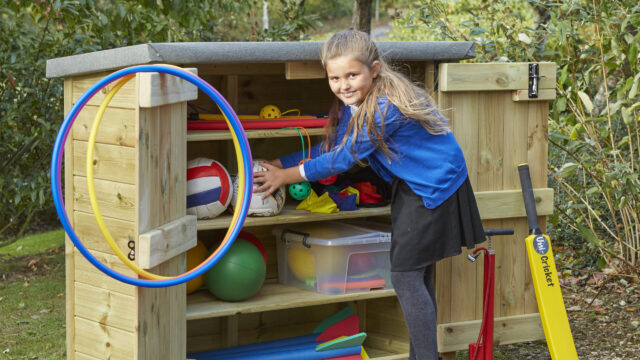
Effective organisation is key to maintaining PE equipment and ensuring it is used to its full potential. Clear labelling systems make it easier for staff and pupils to find and return equipment, saving valuable lesson time.
Having easy access encourages more frequent use, both during PE lessons and at playtime. Proper storage also extends the lifespan of equipment by protecting it from damage. Keeping items clean, dry and stored correctly ensures they remain safe and ready for use.
Dedicated storage solutions can be used to help keep resources tidy and accessible, this includes:
- Racks
- Trolleys
- Labelled containers
In Conclusion – Get the Right Equipment to Support Your PE Lessons
Investing in the right school PE equipment is essential for creating engaging, effective and inclusive physical education experiences. From structured lessons to active playtimes, the quality and variety of equipment directly influence how children interact with physical activity.
By regularly reviewing and updating their primary school PE equipment, schools can ensure they continue to meet the needs of their pupils while supporting curriculum delivery. Thoughtful selection, organisation and maintenance of equipment not only enhances lessons but also encourages a lifelong love of movement.
For schools looking to strengthen their provision, exploring a trusted range of PE equipment for primary schools is a valuable next step in building a more active and inspiring environment.