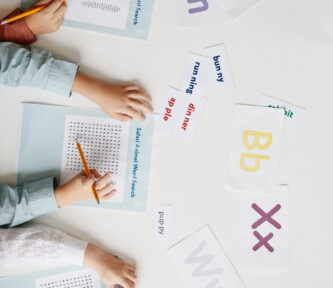


An individual education plan, often called an IEP, is a practical record of a pupil’s learning needs, agreed targets and the support that will help them make progress. It helps the adults working with a child understand what to do and when to review its effect.
You may encounter the term when discussing additional support with a teacher, SENDCO, parent or carer. Schools use different names for their records, including SEN support plans and pupil support plans. The important questions are what the plan contains and how it informs daily teaching.
This guide explains IEP meaning in education and focuses on the current SEND framework in England. Terminology and arrangements differ across the UK, so schools and families should check the guidance relevant to their nation.
An IEP is different from an education, health and care plan, or EHCP. Understanding that distinction helps families and staff discuss support clearly, especially while future SEND reforms are being developed.

What Is an Individual Education Plan?
An individual education plan sets out a focused response to a pupil’s needs. It may describe strengths, areas of difficulty, intended outcomes, teaching approaches and any additional provision. It should also explain how progress will be reviewed.
For a child who finds spoken instructions difficult to follow, a plan might identify when the difficulty occurs and specify an agreed visual prompt. For a pupil developing early reading skills, it might describe the precise teaching and practice required.
The record should make support understandable to the people using it. A colleague ought to be able to see what is being taught, what adjustment is needed and who will provide it. General phrases such as “give extra help” leave too much open to interpretation.
Who might an Individual Education Plan support?
Schools may use an IEP for children receiving additional support for special educational needs. Some use another format to record the same planning. The document’s name does not establish the level of support or its legal status.
A pupil’s individual needs should shape the plan. Two children with the same diagnosis may need different targets, resources and approaches. Their age, strengths, communication, learning and experiences all matter.
Support should respond to identified needs. Families can speak with the class teacher or SENDCO about difficulties without waiting for a particular document title to be used.
How a plan supports consistency
A useful plan connects discussion with daily practice. It helps teachers and support staff use agreed approaches, gives families a clearer picture of support and provides a starting point for review.
Keep the information specific and accessible to relevant colleagues. If an adjustment is needed in PE, at lunchtime or during a trip, explain how it applies there. A plan stored securely but never consulted will have limited practical value.

What Can an IEP Include?
The format will depend on the school’s approach, but the content should give a clear picture of the pupil and the provision. Aim for information that helps adults act rather than a long description of every difficulty.
Strengths and areas of need
Begin with what the pupil can do, what interests them and what helps them learn. These details can guide the teaching approach and give a fuller picture than a list of barriers alone.
Describe needs in observable terms. “Needs support with communication” is broad. “Uses a communication board to request equipment and is learning to use it to share ideas” gives staff a clearer starting point.
Include relevant pupil and family views. A child may identify a difficult part of the day that adults have overlooked. A parent may explain how changes in routine affect confidence or readiness for school.
Specific learning targets
Targets should identify a worthwhile next step and make progress recognisable. Choose a manageable number so that staff can teach and review them properly.
For example, an illustrative target might be: “By the six-week review, during a familiar classroom activity, the pupil will use their agreed communication system to request help in four out of five observed opportunities, with no more than one adult prompt.” The starting point and timescale would need adapting to the individual pupil.
Record what adults will teach and provide alongside the target. In this example, they would model the relevant communication, make the system available and create suitable opportunities to practise. The responsibility for progress is shared with the adults organising support.
Avoid targets that simply require a pupil to appear more compliant or conceal a need. If a child finds transitions difficult, focus on understanding the routine, communicating concerns and accessing support.
Strategies and provision
Explain how the pupil will be supported in class and, where appropriate, through additional teaching. State who is responsible, when support happens and how it connects with the curriculum.
A reading intervention entry should make its intended focus and delivery clear. Classroom staff also need to know how to help the pupil apply that learning in ordinary reading activities.
Plan the use of prompts carefully. Adults may model, provide a cue or offer a scaffold, then reduce support where this is appropriate. Record the level of assistance so that progress is not confused with an adult completing the task.
Resources and adjustments
List resources because they address a need. These could include readable materials, a visual schedule, adapted equipment or assistive technology. Explain where they will be available and how the pupil will learn to use them.
Environmental adjustments may also belong in the plan. For example, a pupil may need an agreed seating position to access an explanation or a predictable arrangement during a busy transition.
Review arrangements
Set a review date and agree what information will be considered. Work samples, brief observations and pupil feedback can help show whether the provision is making a difference.
Review the approach as well as the target and consider:
- Was the support delivered?
- Did it address the intended barrier?
- Has the pupil used the learning in another situation?
These questions help adults decide what to continue or change.
Who Contributes to an IEP?
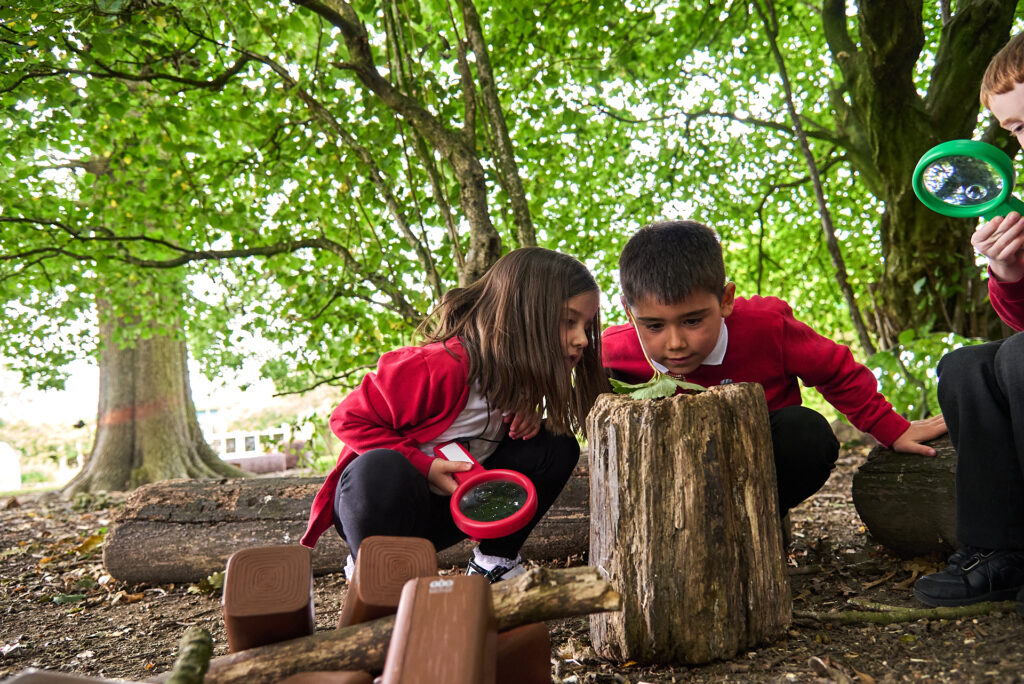
An individual education plan in schools should draw on the people who understand the pupil’s learning and daily experience. The exact participants will depend on the child and the provision involved.
The class or subject teacher contributes knowledge of the curriculum, assessment and classroom practice. They help identify the next learning step and how support will work within lessons.
The SENDCO helps coordinate the school’s response and can support colleagues in interpreting specialist advice. They can also help explain the school’s planning and review arrangements to families.
Parents and carers contribute information about the child’s strengths, concerns and experiences beyond school. Give them time to ask questions and check that the wording is understandable.
The pupil should have an appropriate opportunity to contribute. They might talk about what helps, use symbols to identify a difficult activity or demonstrate a preferred communication method. Adults need to distinguish the child’s own views from their interpretation of them.
Relevant specialists may advise on particular needs. Their recommendations should be translated into practical actions, with clarification where needed. Teaching assistants can contribute observations about how support works during the day.
IEPs, SEN Support and EHCPs: What’s the Difference?
These terms describe different things. An IEP (Individual Education Plan) is a school planning record. SEN support describes provision for special educational needs. An EHCP (Education, Health and Care Plan) is a statutory plan issued by a local authority following the relevant assessment process.
SEN support
In England, schools use a graduated approach to SEN support, organised around assess, plan, do and review. An IEP or SEND support plan can help record that process, but there is no single nationally required IEP template. The SEND Code of Practice explains the framework schools work within.
The Difference Between an EHCP and IEP
An education, health and care plan identifies needs, outcomes and specified provision for a child or young person requiring support beyond that available through SEN support. It has a different legal status from a school’s IEP.
A school may use a practical classroom plan alongside an EHCP. That record should help implement the statutory provision and must not be treated as a replacement for it. Completing a particular number of IEP cycles is not a universal prerequisite for requesting an EHC needs assessment.
Proposed Individual Support Plans
The government’s 2026 SEND reform proposals include digital Individual Support Plans as part of a future system. These proposals should be distinguished from the IEPs schools currently use. Existing EHCPs remain part of the current framework. Schools should check the latest government guidance when discussing how future changes will be implemented.

How Schools Can Make Individual Support Effective
Keep the plan connected to teaching. Staff need to understand the learning goal, the barrier and the agreed response. Brief, scheduled conversations can help colleagues coordinate support without repeatedly rewriting the same information.
Make resources available where they are needed. A communication board, text-to-speech tool or visual prompt should be usable during the relevant activity. Teach its use and check whether it helps the pupil participate more independently.
Consider the environment alongside the teaching. Clear routes, suitable lighting and predictable organisation may make a task more accessible. Record individual adjustments when staff need to apply them consistently.
Use reviews to make decisions. If progress is limited, examine the target, teaching, delivery and barriers before simply extending the plan unchanged. Seek further advice where the evidence indicates that provision needs to be reconsidered.
Communication with families should explain what support looks like and what has been learned from the review. Agree the next steps and who will follow them up. Share relevant information when the pupil changes class or school.
Making Individual Planning Useful
For children receiving additional support, an IEP is most useful when it gives adults a clear, shared basis for action. It should describe meaningful learning, suitable support and a practical way to review progress.
Whether your school uses an IEP, SEN support plan or another format, keep the pupil’s experience at the centre. A concise plan that informs daily teaching can help turn agreed intentions into consistent support.
To support your pupils, their requirements and their learning environments, browse TTS resources for inclusive environments.