


Images
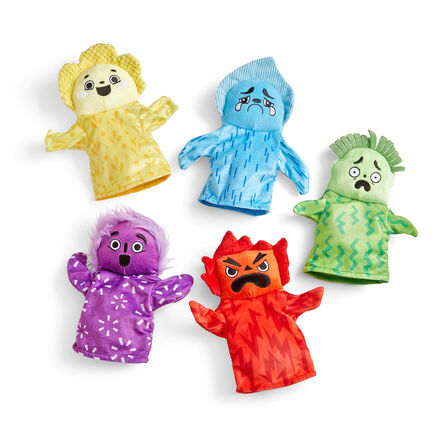

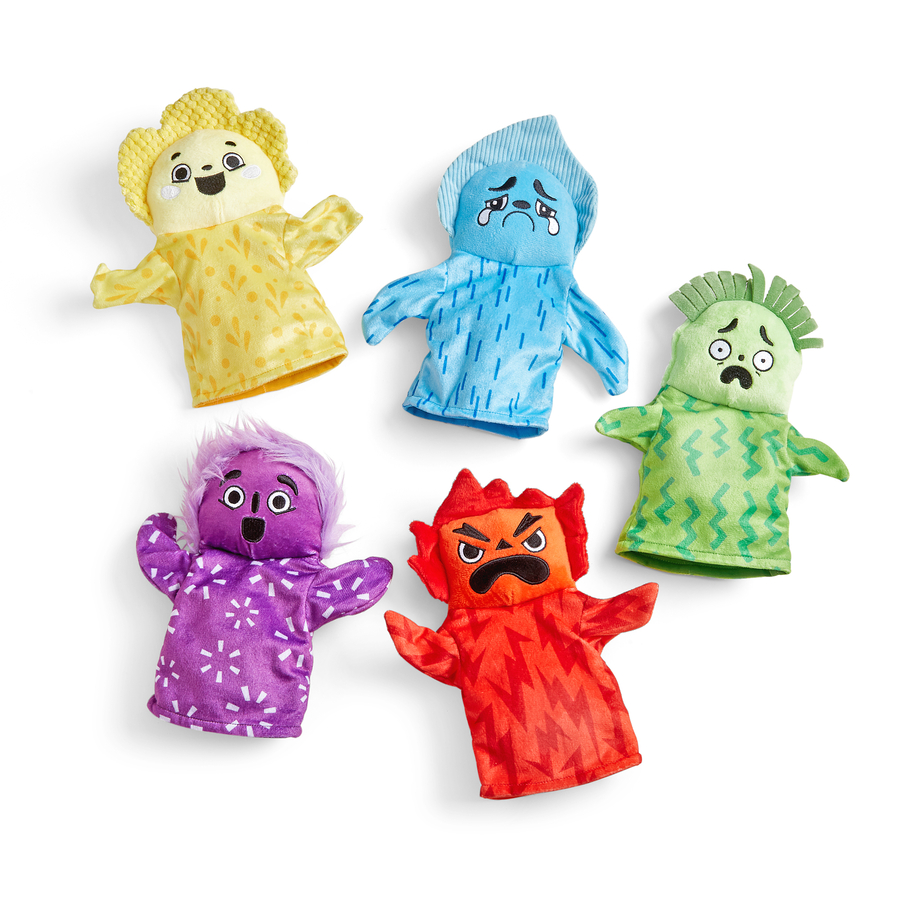


Feelings and Emotions Hand Puppets Set - Happy, Sad, Surprised, Angry and Scared
https://www.tts-group.co.uk/feelings-and-emotions-hand-puppets-set---happy-sad-surprised-angry-and-scared/1055035.html Product Code: RS49512Promotions

Product Actions
Helping to Support Teaching and Learning
-
Emotional Expressions
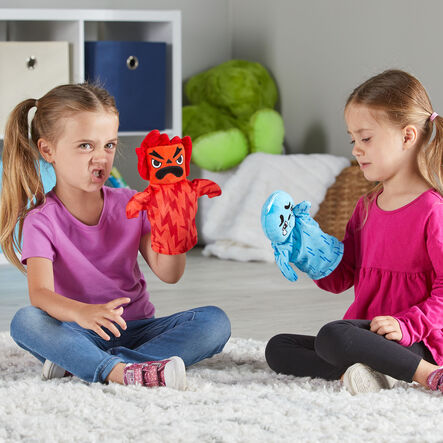
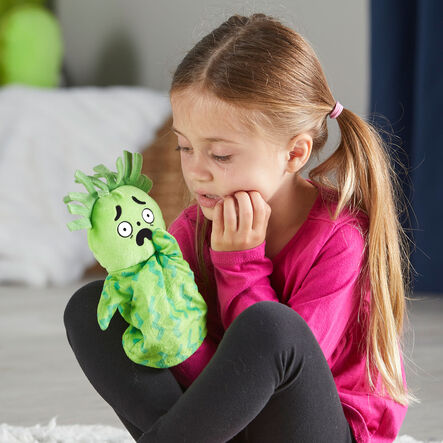
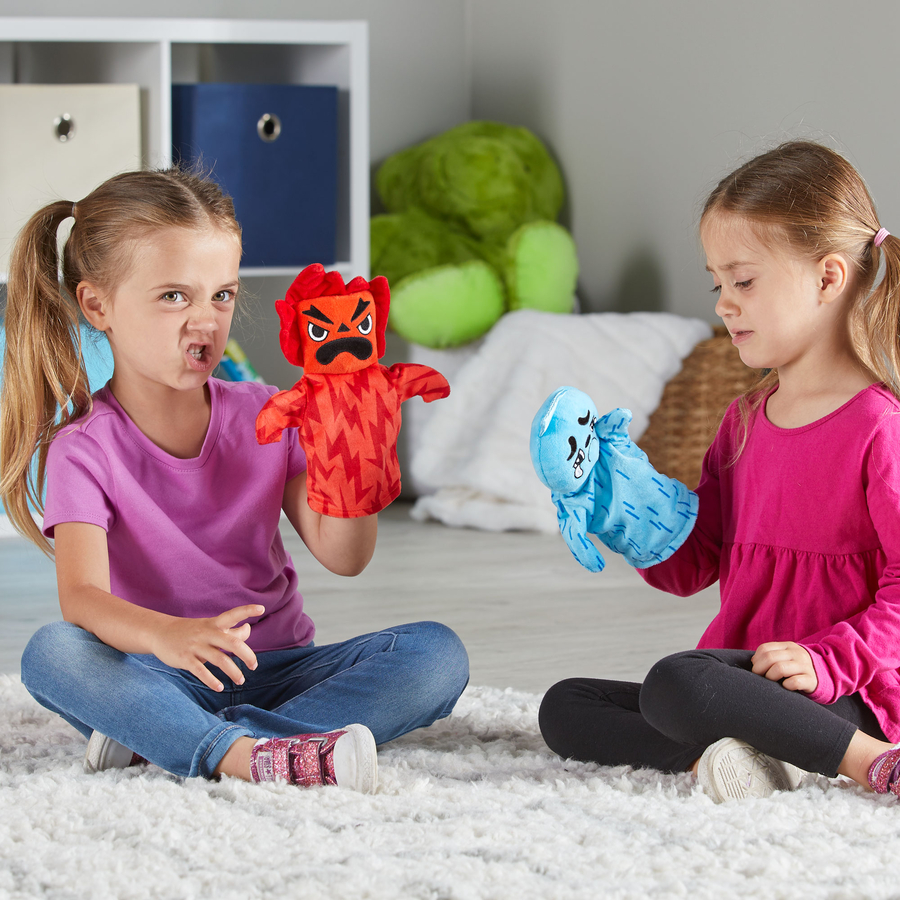
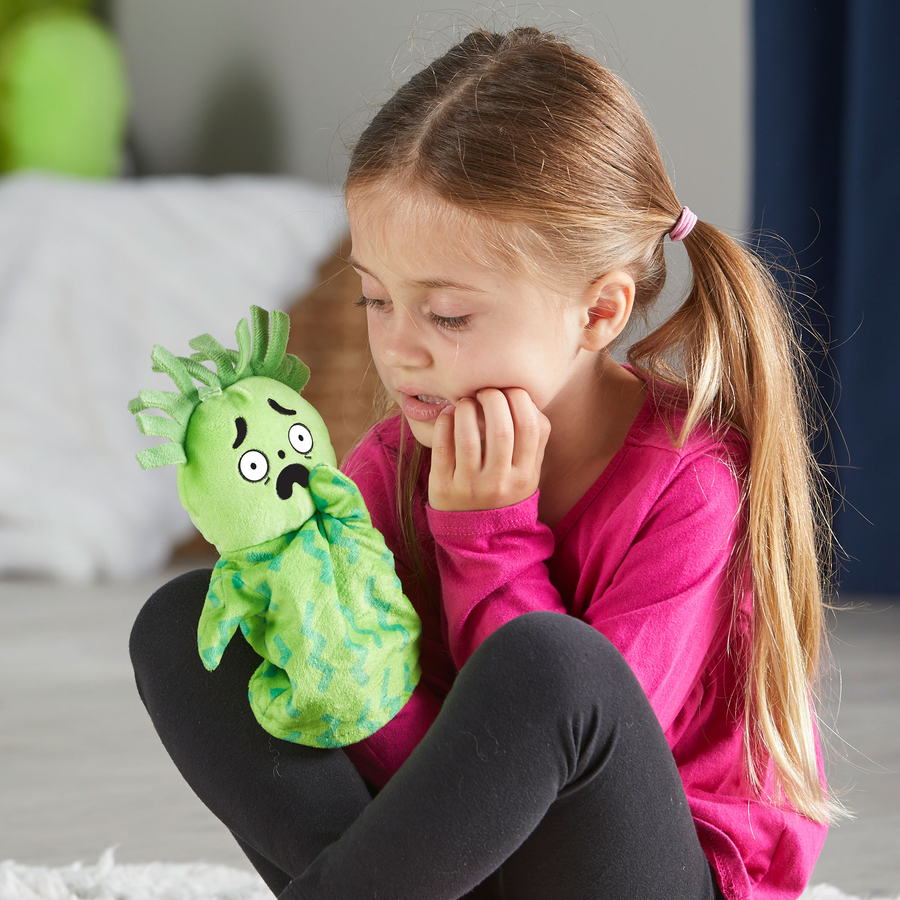
Five puppets show Happy, Sad, Surprised, Angry and Scared, giving children clear expressions to identify and discuss during feelings recognition activities.
-
Tactile Elements
Distinct tactile elements give each puppet a sensory point of interest, helping children engage with feelings through touch during personal, social and emotional development activities.
-
Crinkly Sensory Detail
The hair on the Happy, Angry and Sad puppets makes a crinkly sound. This adds an extra sensory dimension to using puppets to teach emotions, helping vary how children explore feelings and emotions.
-
Shared Handling
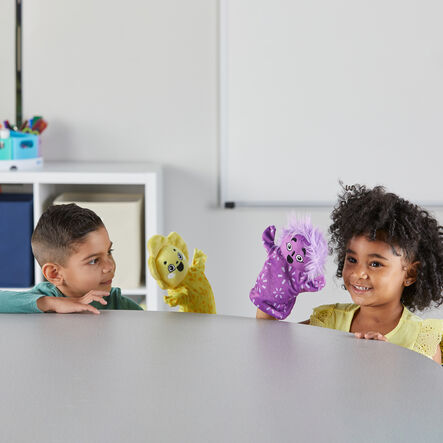
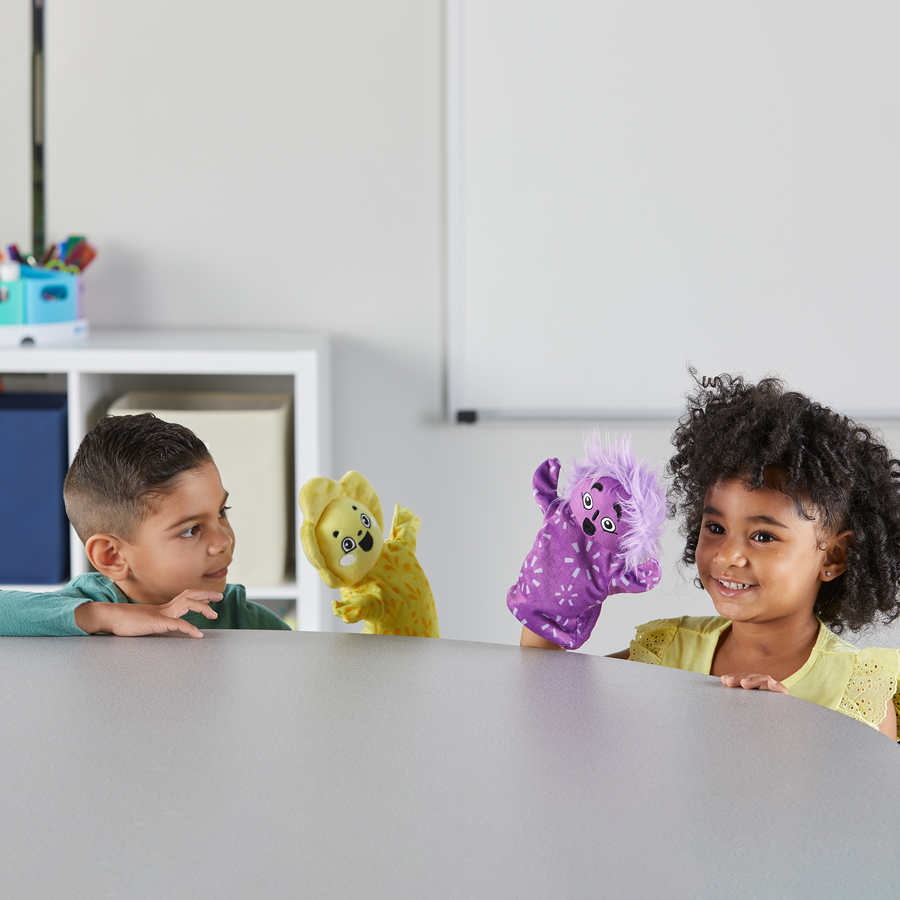
Each puppet fits children's hands and most adults' hands, supporting shared interaction. The soft, durable materials provide tactile resources for exploring feelings in creative ways.
-
Personal Social And Emotional Development
EYFS personal, social and emotional development: practitioners use five expressions to help children name and discuss Happy, Sad, Surprised, Angry and Scared.