


Every child has the right to feel that they belong in their school. This means having people who know them well, understand how they learn, know what their interests and strengths are, along with the barriers they may face. They also need opportunities to build friendships and take part.
For some children, making this possible involves interventions, specialist support or a different environment for part of their day. An inclusion base can support schools to provide this, while keeping children connected and part of the mainstream school and community.
As inclusion bases in schools become a greater part of mainstream education, we need to think carefully about what happens within them and how they influence practice beyond their doors and in the mainstream classroom. So, what makes an inclusion base genuinely inclusive?
What is an inclusion base?
An inclusion base is provision within a mainstream setting for children with additional needs. It usually has a dedicated space and offers planned teaching, interventions or specialist support alongside, or in place of, some mainstream lessons.
Inclusion bases may support children with special educational needs and disabilities (SEND), including communication, sensory or learning needs. It may also provide behavioural or pastoral support, including children experiencing difficulties with attendance or at risk of exclusion. Each base should have a clear purpose and be designed around the children and their needs.
The amount of time spent in an inclusion base will vary depending on the individual. Some children may need to access the base for a limited period while others may need ongoing support. The Department for Education’s (DfE) guidance recognises this range, while asking schools to maximise carefully planned opportunities for mainstream inclusive education, learning and participation.
Ongoing access can be appropriate in certain cases, but arrangements need regular review with the aim being to support children in spending more time in mainstream classes. Children should continue to receive ambitious teaching, develop relationships and participate in school life. Access to a base should always be planned around need and should never be used as a sanction or removal from the classroom.
Inclusion base or resource provision?
Schools use a range of names for additional provision. Some of these include SEN units, resource bases and resourced provision. This can make it difficult for families to understand what is being offered.
The DfE guidance uses inclusion base as an umbrella term, replacing the range of terms we may have encountered. It distinguishes between support bases, commissioned by schools, trusts or local groups of schools which will typically deliver Targeted Plus support, and specialist bases, commissioned by local authorities to deliver Specialist support.
Schools and settings will have different arrangements, staffing and specialists, but families need a clear explanation of who the provision supports, what children will learn, how it connects to and supports learning in mainstream classes and how decisions and provision will be reviewed.

What does an effective inclusion base look like?
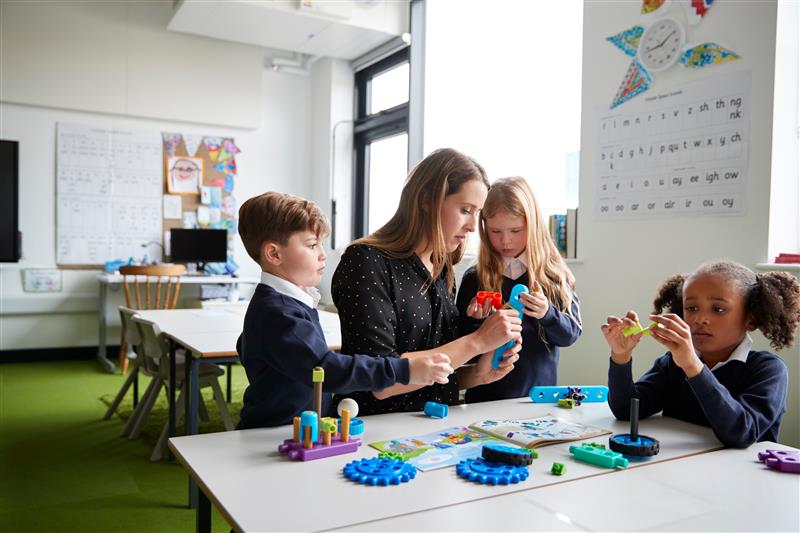
A strong connection to the mainstream classroom depends on shared planning, regular conversations and a clear understanding of each child’s needs and their learning. For example, a child might access some pre-teaching of key vocabulary and handle objects linked to a class text in the base before joining their peers for a related lesson. Familiarity and understanding of the language and resources prior to the lesson may help them contribute which in turn builds their self-confidence and sense of belonging within the class. Classroom and base staff can then share what the child understood and any barriers that they might have faced, before planning what comes next.
All children should have access to a broad, ambitious curriculum. Adaptations may involve different teaching approaches, additional time or specialist input or intervention, depending on individual need. It is also important to consider what a pupil misses when accessing support, what impact this may have and how to maintain breadth and progression in high-quality mainstream lessons. Wherever possible, the timetables for the base and mainstream classes should align so that transitions are possible and lessons are consistent.
Transitions deserve equal attention and should be as smooth as possible. To feel safe and supported, a pupil may need photographs of the learning spaces, a familiar adult, and a clear explanation of the activity. Any learning tools and strategies should be continued across the spaces if needed and pupils should have an agreed place to go if they need support. Other considerations may be needed in both classrooms too. For example, noise levels and how this can be overcome, routines and how they are shared or communication approaches that are used.
Most of all, to remove any stigma, the school should make sure that the inclusion base is understood and celebrated, along with the pupils accessing it. As stated in the DfE guidance for inclusion bases (June 2026), ‘the aim of any base should be to promote a sense of belonging to a whole school community, underpinned by a culture of inclusion across all areas of school life’.
A supportive physical environment
One of the first things we can do is start by noticing how the pupils experience the space. Where do they settle? What draws their attention? When do they seem uncomfortable or need to move away?
Consider the following things:
- Sound – noise levels and the sounds in different areas of the environment
- Lighting – is the lighting too bright/dark? Does it flicker? Can the lighting be dimmed? Is low level, softer, lighting available?
- Clutter – is there clutter on the sides or too much information displayed in areas that can distract?
- Furniture – what does the furniture say about the space?
- Movement – are there opportunities for movement throughout the day?
A chair scraping across the floor, glare on a table, food noise from the dining room or people repeatedly passing a work area can make it harder for some pupils to engage. Changes such as reducing background noise, using lights that don’t flicker, repositioning furniture or having different seating options, or providing a quieter or less distracting workspace can be useful starting points.
The layout should help pupils understand what happens where. There may be places for teaching, shared activities, movement and quieter time, with accessible routes between them. Resources stored within reach, clear labels (with words and symbols) and suitable furniture can support independence and make pupils feel more at ease in the environment.
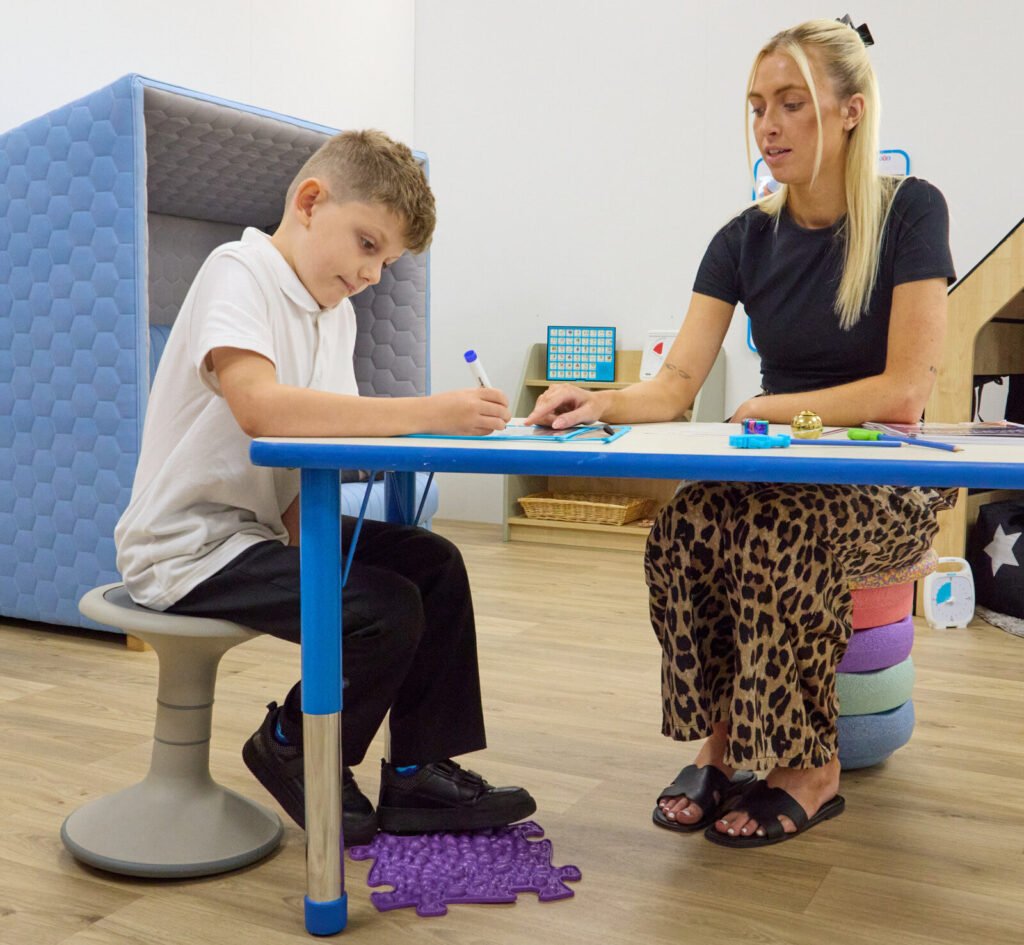
Sensory provision and learning aids should also reflect individual needs and preferences. A resource that one pupil may find helpful, such as a wobble stool or concentration panel, may not have the same impact for another. Offer choice, observe responses and seek specialist advice where needed.
It is important that a base should feel welcoming and purposeful, with books, materials and resources that reflect children’s ages, interests and learning. Involve the children in decisions about the space wherever possible and use communication approaches they can access.
Relationships and belonging
Children learn best when they have adults who recognise their strengths, understand how they communicate, set clear but fair boundaries and respond with care. They also need opportunities to build and maintain relationships with peers.
It is also important for us to think beyond lessons. Can children take part in clubs, trips, celebrations and shared play? Are they included when classmates talk about an upcoming event? Do families receive the same invitations and information as others?
An example could be a child who finds the classroom overwhelming. They might enjoy a small lunchtime group based on their interests or something similar with friends. This creates time to share an interest, develop friendships with support shaped around the children involved.
The language the adults use matters too. Describing a child as being ‘sent to the base’ can make support sound like a punishment. Explain its purpose positively and make sure children know they remain valued members of their class and school.
Another useful thing to do is to listen to how children describe their experience, including through symbols, gesture, communication aids, parent voice and their responses to different situations. A child appearing settled does not necessarily tell us that they feel included.
What makes an inclusion base work across the whole school?
An inclusion base needs a clear place within the whole school’s approach to inclusion. Leaders and staff should be able to explain why it exists, which needs it is designed to meet and how its success will be evaluated.
This includes clear arrangements for accessing and leaving the provision, regular reviews and meaningful involvement from pupils and families. Decisions need to reflect the children’s strengths and needs, rather than become a response to pressure elsewhere in the school.
The DfE guidance expects day-to-day responsibility to sit with a teacher, with strategic oversight from a senior leader and SENCO involvement where the base supports children with SEN. Children accessing a base should not have less access to a qualified teacher than their peers in mainstream.
Leaders also need to consider staffing, training and workload. Shared planning and liaison require protected time. Staff need clear responsibilities and support to develop their expertise and knowledge in different areas. Alongside this, inclusive teaching and accessible environments should be developed throughout the school. The base should help strengthen this work.
Collaboration and expertise
The most useful knowledge about a child is often held be several people. This includes the child themselves, their family, classroom staff, base staff and other professionals.
Make time to bring this knowledge together. Families may recognise early signs of distress or explain why a particular transition or situation is difficult. A speech and language therapist may help staff adapt communication and a teacher may identify an interest that opens new learning opportunities.
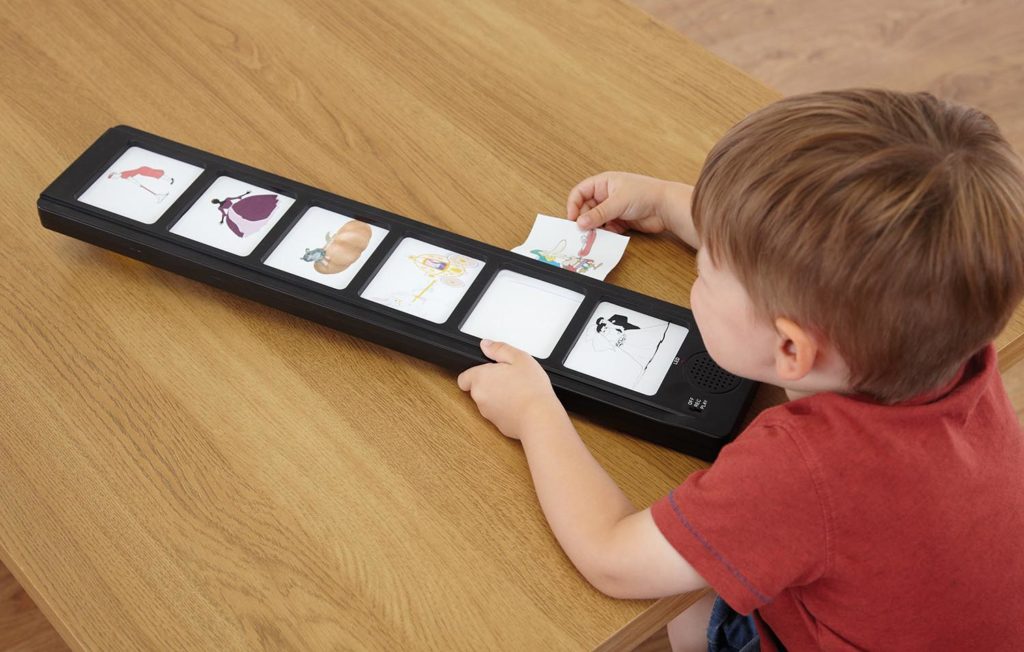
Work together to agree what this means in everyday practice. If a child uses signs or a communication board in the base, the same tools and strategies need to be available and understood elsewhere. If a particular way of explaining a task helps, e.g. instructions on a recordable device to help them remember the steps etc, then share this information with other people who may support the pupil, including parents.
Expertise should be shared in both directions. Base staff can support and model to colleagues’ different approaches, while classroom teachers contribute subject knowledge and wider curriculum understanding. This shared work can improve provision for children across the whole school.
Measuring impact
Review and share what the children are learning, how they are participating and how they experience school. Attendance in the base, or in a quieter classroom, doesn’t indicate on its own whether provision is effective.
Begin with a clear understanding of each child’s starting points and agree ambitious, meaningful outcomes. Use appropriate assessment alongside observations and the views of the children, families and professionals to review progress and next steps. This might include academic learning, independence, friendships, wellbeing and access to, or participation in mainstream lessons. This will look different for everyone. For one, progress may include explaining an idea using their communication aid whilst for another this may involve joining in a shared activity for an agreed amount of time.
Look closely at what enables the child to make progress. If a pupil is comfortable in the base but anxious or distressed in class, explore the differences between the environments and the support available. Use what you learn to make changes and review their effect.
Things to consider for the inclusion base in school
- Is the purpose clear? Can staff, children and families understand what the base is for, who it supports and what it aims to achieve?
- Is it connected to mainstream provision? Do staff plan together, maintain ambitious learning and support participation with peers? Are strategies for the pupils shared and adopted?
- Can pupils access appropriate support without unnecessary separation? Are arrangements based on individual needs and reviewed regularly? Can tweaks be made to enable the pupil to access learning in the mainstream classroom?
- Does the environment support sensory and accessibility needs? Have children, families and relevant specialists helped inform decisions?
- Are pupils and families involved? Have they had the opportunity to share their knowledge of the child? Can they share strategies that help the pupil at home? Are strategies and tools used at school explained and shared with home? Ask the children how they feel in the classroom and in the base.
- Do staff share expertise and information? Are effective approaches understood and used across the school and at home, including dinner staff etc?
- Is the impact being reviewed? Is there evidence in learning, participation, attendance, independence, and belonging etc?
An Inclusion Checklist for Your Setting
Take a look at your learning environments with pupils and colleagues. What enables the pupils to take part and what could be changed?
Consider the following:
- Communication and contribution: Are there different ways for children to express their ideas, make choices and contribute? This might include recordable devices, communication boards or their usual communication aids.
- Organisation and predictability: Could visual timetables, now and next boards, visual timers or resources that break tasks into manageable steps help pupils consider what to do next?
- Sensory needs: Are suitable resources available for pupils who benefit from something to hold, manipulate or chew? Are weighted resources available for those who need them (seek advice where possible)? Choose these around individual needs and preferences, observe how they are used and review whether they help.
- Seating and movement: Can pupils work comfortably in different positions, including sitting at different levels or standing? Some may benefit from alternative seating, wobble cushions/stools or chair bands, alongside opportunities to move throughout the day.
- Quiter spaces and sensory comfort: Is there somewhere pupils can access with less noise and visual distraction? Depending on the individual and their need, this might include an area with adjustable lighting, comfortable seating or sound absorbing furniture or furnishings. Ear defenders may also be useful for particular situations. Have you got a space where pupils can feel enveloped/enclosed?
- Emotional understanding and regulation: Are there welcoming spaces, supportive adults and resources that help pupils recognise and communicate feelings or to support regulation? Stories, photographs and visual supports or strategies can help adults explore emotions with children and practise strategies suited to them.
Conclusion
An effective inclusion base helps a school understand and respond to pupils’ needs more thoughtfully and effectively. Its influence should be evident in classroom teaching, relationships, shared routines and opportunities to take part.
When choosing resources start with the needs of the pupils’ you are supporting and the barriers they are experiencing. Consider how the environment, furniture and resources could help them communicate, access learning, feel comfortable and become more independent.
Resources are most useful when chosen with a clear purpose, to support an identified need, and used alongside thoughtful teaching and responsive adult support. By listening to pupils, working with families, colleagues and specialists, and reviewing what makes a difference, we can build a team around the school, creating spaces where every child feels they belong and has opportunities to learn and thrive.