

Inclusive education means recognising and removing the barriers that prevent pupils from accessing learning and taking part in school life. It combines ambitious teaching with the support each child needs to participate, make progress and feel that they belong.
You might see it in a teacher modelling a task before pupils begin, a communication board that helps a child share an idea, or a classroom layout that allows everyone to reach the resources. It is also reflected in whose stories are heard, how families are welcomed and which children can join a school trip.
Inclusion is broader than special educational needs and disabilities (SEND). Language, poverty, culture, discrimination and previous experiences can also affect a pupil’s access to education. An inclusive school considers these barriers alongside individual learning needs.
For teachers and school leaders, the useful starting point is to look closely at pupils’ everyday experiences. Where can they participate confidently? Where does the school ask them to overcome an avoidable obstacle? Those questions turn an inclusive education definition into practical decisions.
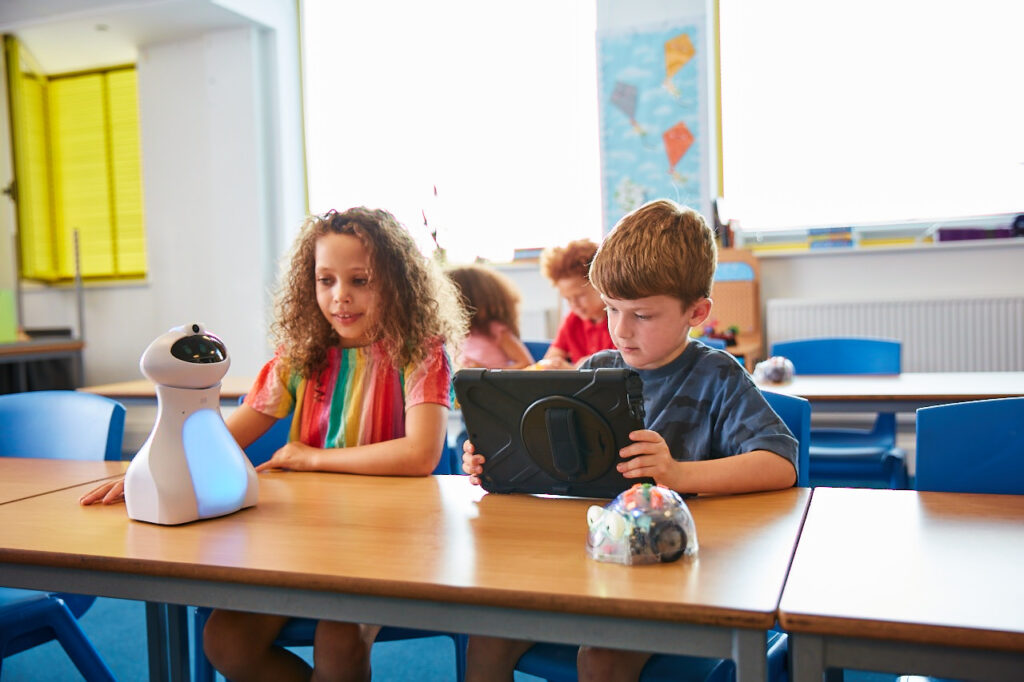
What Does Inclusive Education Mean?
Inclusive education brings together access, participation and belonging. A pupil needs an opportunity to encounter the curriculum, a meaningful way to contribute and the reassurance that they are a valued member of the school community.
These elements are connected, but they are worth considering separately. A child may be physically present in a lesson while the text is inaccessible to them. Another may complete the work successfully but feel excluded from discussion or friendship groups. Being in the same room does not tell us enough about the quality of their experience.
Inclusion and integration
Integration usually describes bringing a pupil into an existing setting. Inclusion asks how that setting can respond to the pupil. The difference becomes clear when we examine what happens after a child joins a class.
For example, a pupil with a physical disability may attend the same science lesson as their peers. Inclusive planning would also check whether they can reach the equipment, carry out the investigation and contribute to the explanation. The school adapts the arrangements so that participation is possible.
This does not mean every pupil must use the same materials or receive identical support. Equality of opportunity may require different adjustments. A larger print text, additional processing time or an alternative way to record an answer can help a pupil work towards an ambitious learning goal.
The role of adaptive teaching
Adaptive teaching means responding to what pupils understand and the barriers they encounter. Teachers might revisit vocabulary, break an explanation into smaller steps or provide a worked example before independent practice.
The Education Endowment Foundation’s guidance on SEND in mainstream schools places high-quality teaching at the centre of support. Resources and additional help should strengthen pupils’ access to that teaching.
An adaptation should have a clear purpose. If a pupil understands the science but finds handwriting difficult, a supported way to record the explanation (perhaps using TTS’ recordable range) may be appropriate. If handwriting is the learning goal, the teaching and practice need to address that skill directly.
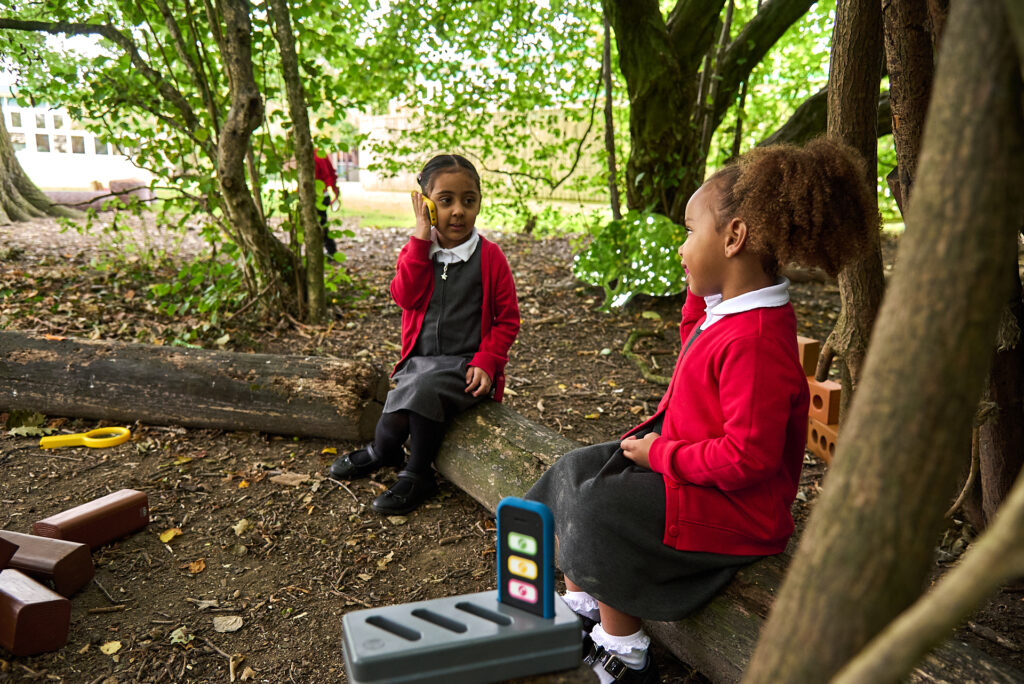
What Does Inclusion Look Like in Schools?
Inclusive schools consider how teaching, relationships and environments work together. Some adjustments will benefit many pupils. Others need to be carefully matched to an individual child.
Classrooms that pupils can use
An inclusive classroom is organised around the people who use it. Pathways are clear, essential resources are within reach and pupils know where to find what they need. Labels use readable words and, where helpful, meaningful images.
A teacher might place frequently used maths equipment in an accessible tray and explicitly teach pupils how to select and return it. The organisation then supports learning rather than requiring children to wait for an adult at every step.
Sensory needs also deserve attention. Consider glare on the board, scraping chairs, background noise and the view from different seats. Ask pupils what they notice before deciding which change to make. A space that feels comfortable to an adult may feel quite different to a child.
Flexible ways to participate
Inclusive teaching gives pupils suitable ways to engage with the learning. During a discussion, this might include rehearsal with a partner, a picture prompt or time to prepare a response. A pupil who uses augmentative and alternative communication needs access to their communication system throughout the lesson.
Flexibility works best when expectations are clear. If pupils are explaining a historical cause, an oral explanation may show their understanding. If they are learning to construct a written paragraph, they will also need supported writing practice.
Group work needs similar care. Allocating purposeful roles can help children contribute, but avoid repeatedly giving one pupil the simplest job. Check who handles the equipment, who makes decisions and whose ideas are recorded.
Representation and belonging
Children should encounter books, images and examples that reflect a range of families, cultures, disabilities and experiences. Representation belongs across the curriculum and the year, alongside opportunities to learn about lives different from their own.
Review who appears in classroom displays and whose work is celebrated. A polished final piece is one way to recognise success. A pupil’s thoughtful explanation, improvement or contribution to a shared task can also deserve attention.
Belonging depends on relationships as well as materials. Learn how pupils prefer to be addressed, pronounce names accurately and challenge discriminatory language. Make it clear how children can ask for help or report an experience that has made them feel unwelcome.
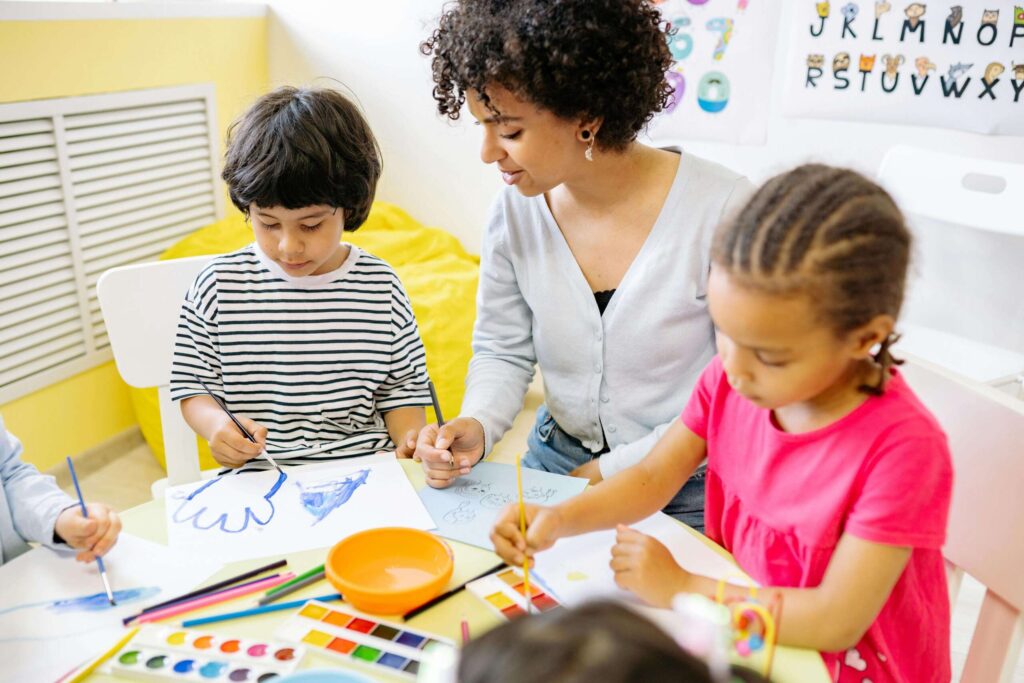
What Are the Barriers to Inclusive Education?
Barriers to inclusive education often become easier to understand when we describe the situation precisely. “Struggles in lessons” gives us little direction. “Cannot hear instructions during practical group work” points towards something we can investigate.
Physical and sensory barriers
Heavy doors, narrow routes, unsuitable seating and inaccessible storage can restrict participation. Access should be considered throughout the school, including toilets, dining spaces, playgrounds and areas used for clubs. Consider furniture and storage solutions to suit your classroom.
Sensory barriers may include unpredictable noise, bright glare or crowded transitions. Their effects vary between pupils and situations. Observe when a difficulty occurs, speak with the pupil and use relevant specialist advice when planning individual support.
Social barriers and assumptions
Low expectations can narrow a pupil’s opportunities before they have a chance to try. Adults may assume that a child cannot attend a trip, take a leadership role or tackle challenging work.
Start by asking what would make participation possible. For a pupil anxious about an unfamiliar venue, this could include photographs, a preview of the timetable and a trusted adult who understands their support plan.
Peer exclusion is another barrier. Review how groups are formed, how playground activities are organised and how adults respond when children are left out. Inclusion in schools needs to extend beyond formal lessons.
Curriculum and assessment barriers
Unexplained vocabulary, inaccessible texts and instructions that contain too many steps can obscure the learning. Sometimes a task measures a skill that is incidental to its purpose. A lengthy written response, for example, may make it harder to establish what a pupil knows about geography.
Ask what you are trying to assess and which response would reveal that understanding. For formal assessments, check the relevant rules before making adjustments. Everyday classroom assessment usually offers more scope to explore understanding through talk, demonstration and carefully chosen questions.
Resources and support
A resource only improves access if it addresses the actual barrier and pupils can use it. A communication aid kept in a cupboard will not support a spontaneous contribution. A specialist tool may need teaching, practice and maintenance before it becomes useful.
Time and staff expertise also matter. Plan how adults will learn the agreed approach and share information when pupils move between lessons or year groups.

Examples of Inclusive Practice
Useful inclusive practice examples make the link between a barrier and a response clear. Here are several approaches you could explore in your setting.
Make explanations easier to follow
Combine a clear spoken explanation with a relevant diagram, model or demonstration. In maths, pupils might use counters alongside a drawing and an equation. Explain how these representations connect so that the resource helps them understand the concept.
Multi-sensory learning is most useful when each element serves the lesson. Adding sound, movement or touch does not automatically improve access. Choose the representation that clarifies the content and check whether pupils can use it to explain their thinking.
Use accessible resources and technology
Readable layouts, clear contrast and uncluttered worksheets can make information easier to locate. Keep essential instructions close to the task and explain unfamiliar symbols.
Assistive technology might include text-to-speech, captions or speech-to-text. Select it according to the pupil’s needs and the task. Teach its use, check that it works with school systems and consider where pupils will access it during the day.
Offer purposeful choice
Choice can support independence when the available options are manageable. A pupil might choose between two suitable places to work or select a familiar scaffold. Model how to make that decision and review whether it helps.
Some pupils will need a more structured starting point. An adult can help them identify a useful option without taking over the task. Review which prompts can gradually be reduced as confidence develops.
Connect classroom practice with school routines
A visual prompt is easier to use when adults understand its purpose and apply it consistently. Agree how pupils request help, where communication resources are kept and how support follows them into assemblies, clubs and trips.
For example, if a pupil uses a visual schedule in class, consider how an unfamiliar sports event will be explained. The same principle can be adapted to the new setting while keeping the pupil informed.

Building Inclusion Through Everyday Decisions
Inclusive learning develops through careful observation, responsive teaching and regular conversation with pupils and families. You do not need to change everything at once to make a useful start.
Choose a barrier that affects participation, agree a practical response and check what happens. Think:
- Can the pupil begin the task more confidently?
- Can they contribute their own ideas?
- Are they developing the knowledge or skill the lesson intended?
Inclusivity in education is an ongoing responsibility. As pupils, classrooms and activities change, schools need to keep reviewing access. Each well-chosen adjustment helps create a school community where children can learn alongside others and take a meaningful part in daily school life. Discover TTS’ SEND Teaching Resources & Equipment and find new ways to support your setting.