



As we know, resources don’t just make our classrooms look organised, they also actively support lesson delivery, improve student engagement, streamline classroom management, and help create a learning environment where every student can thrive.
Whether you’re a newly qualified teacher setting up your first classroom or an experienced educator looking to refresh your toolkit, in this blog we will explore some of the essential classroom resources every secondary school teacher should have.
Essential Classroom Organisation Resources
An organised classroom not only helps you to feel calm, but it also helps to create a productive environment for your students. When everything has its place, and students know where to find what they need, then lessons run more smoothly and you have more time to focus on what matters the most…teaching!
Everyday Organisation Tools for Teachers
Let’s start with the basics. These everyday organisation tools can help save you hours of time each week, as you won’t be hunting around for the things you need. For classroom storage solutions, you could consider:
Storage trays, folders and organiser units are all invaluable for keeping everything sorted and accessible for when it is needed. You could use stackable trays, box files, folders, or drawer units to help keep resources for different classes organised and together.
Labelling resources and classroom signs help students navigate the classroom independently. Labelled shelves, drawers and cupboards reduces the “where does this go?” questions and encourages students to keep the learning environment tidy. You could also use colour coded labels for different subjects or classes, so you can see quickly from a glance.
Teacher planners and timetable boards help to keep all your information together. You can track deadlines, keep timetables and organise lesson plans. A large wall mounted board could also be used as a clear visual for reminders that you want to share with students as well.
Equipment storage is another aspect to consider. Whether it’s science equipment, art suppliers or maths manipulatives, dedicated storage keeps these items safe, easy to find and ready whenever you need them.
Desk organisers help to keep a tidy workspace for you. You might consider document holders, stationery storage and filing systems to ensure everything has its place. A tidy desk often helps with a tidy mind.
Classroom Management Resources
Next, we can think about classroom management resources to try and help with the smooth running of learning time.
A good place to start is with establishing (and displaying if you need) the classroom routines. Thinking about what you expect when children enter, how to organise accessing books or resources, and strategies you use regularly. Spending time establishing these upfront helps to set expectations and reduces the need for constant verbal reminders. Creating visual reminders of these can also support students who need more repetition and reinforcement.
We know that many rewards and recognition systems are often set at a school level, but you may want to consider if there are strategies you want to use in your own classroom to help build a positive culture.
And another area to consider are resources to support transitions, such as visual countdown timers or visual signs. These can be useful in supporting smoother transitions between tasks by providing a clear visual cue.
Interactive Resources That Improve Engagement
Student engagement is one of the biggest contributors to successful learning and progress. When students are actively engaged in lessons, they retain more, participate more and are more likely to enjoy the learning experience. Resources can be one of the ‘teaching tools’ that we can use to engage and motivate our learners.
Hands-On Learning Resources
We know that many students learn best when given the chance to explore and investigate new learning in different ways. Hands-on resources can facilitate this and make it possible. Here are just a few examples:
Mini whiteboards are still a favourite for many classrooms. They enable every student to respond simultaneously, allowing teachers to quickly assess understanding and identify misconceptions. They also provide a workspace that can be easily corrected and annotated which does not feel ‘permanent’ which many students find supportive.
Discussion prompts, retrieval practice cards and questioning activities all encourage students to revisit prior learning while strengthening long-term memory retention. These are particularly beneficial when they can be used for collaborative group activities, as they encourage teamwork and communication skills while learning curriculum content.
Subject-specific teaching resources, including manipulatives, models, books and practical resources, help students visualise abstract concepts that can otherwise be difficult to understand.
Practical challenge-based activities also promote resilience, creativity and independent thinking. They encourage students to explore multiple solutions to real-world problems.
Digital Classroom Tools
Technology, and its use in the classroom, continues to develop with more and more resources being available that help to create and enhance accessible, learning experiences. Here are just a few examples you might want to explore:
Visualisers could be used to display a range of things on the board. You could demonstrate problem-solving strategies, practical techniques, share learning or model answers in real time.
Interactive quizzes and online learning platforms provide instant feedback while increasing student participation through adding an element of challenge to learning.
Digital assessment tools help in gathering evidence of learning, identifying gaps in understanding and providing timely feedback without increasing workload.
Audio and visual learning resources, such as recordable microphones, recordable whiteboards or cameras, support students who benefit from multimedia approaches. Recordable resources can make lessons more engaging and accessible for different learning preferences.
There are also lots of software or hardware options that can support participation and accessibility, for example captioning, text-to-speech software, digital note-taking and assistive learning tools that enable wider participation.
Resources for Different Subjects
There are then collections of resources that are needed for specific learning within different subjects. The resources which really help to ‘unlock’ the curriculum and inspire students with the subject area.
In mathematics, you may have resources that help to make concrete concepts more concrete with visual representations. This could be geometry sets, manipulatives, place value resources, algebra tiles, number resources, graphing equipment or even robotics that can be programmed using mathematical knowledge.
Science classrooms will rely on practical investigation equipment, measuring tools, laboratory resources and demonstration materials to bring scientific concepts to life.
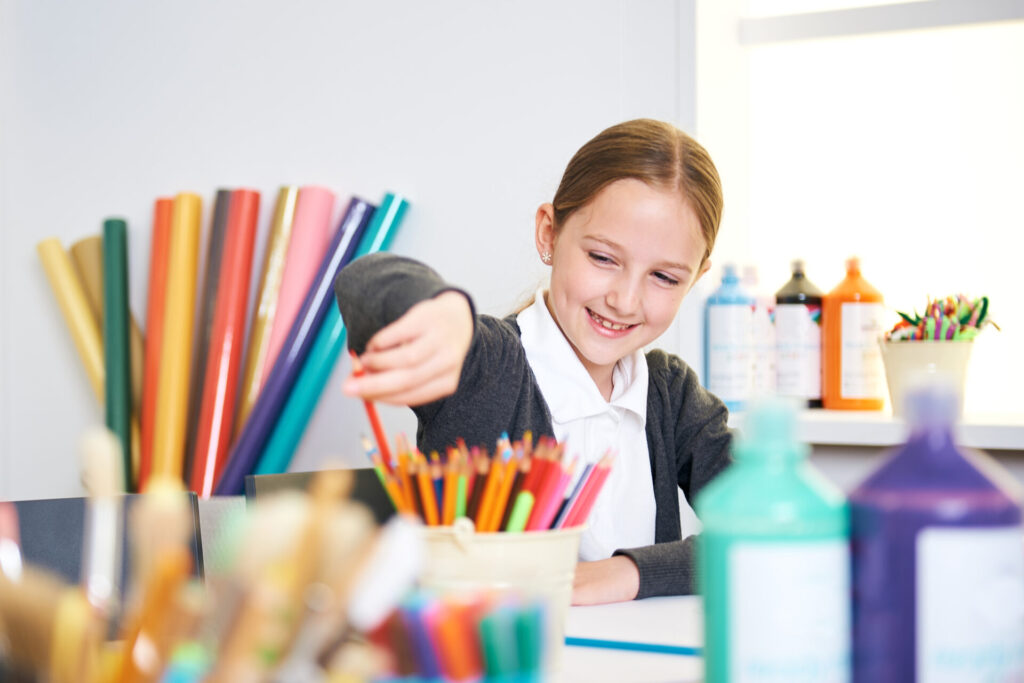
Art departments benefit from quality creative materials, sketchbooks, paints, modelling equipment and design resources that inspire students to be creative in different ways.
Literacy resources such as vocabulary displays, high-quality texts, reading strategies, writing prompts and communication activities support language development across every curriculum area.
High-quality PE resources ensure students can develop their sporting skills. You might want to consider skill-based activity resources as well as the traditional sport linked ones. For example, there are lots of creative resources such as frisbee target games or rebounders to help practise throwing, catching and aiming.

Resources That Support Inclusive Teaching
Every classroom is diverse, with different students bringing different strengths and needs. It is important to understand these needs so that we can plan for and use the right resources to ensure every student can access the curriculum.
Supporting Different Learning Styles
While the idea of rigid “learning styles” has been debated, we do know that students learn in different ways. Offering variety in how content is delivered and practised can undeniably benefit all learners.
Visual learning aids such as diagrams, posters, graphic organisers and illustrated displays support students who process information more effectively through images.
Tactile resources allow learners to physically manipulate objects, improving understanding of complex ideas through practical exploration.
Collaborative learning resources encourage discussion, peer teaching and shared problem-solving, helping students learn from one another while developing important communication skills.
Movement-based activities increase engagement by incorporating active participation into lessons, particularly benefiting students who find extended periods of sitting challenging.
Adaptable teaching materials enable teachers to differentiate tasks for mixed-ability groups without significantly increasing planning time, ensuring every student can access the curriculum at the right level for them.
SEND-Friendly Classroom Resources
Supporting students with Special Educational Needs and Disabilities (SEND) requires thoughtful planning and the right, tailored resources can really help. You might want to consider:
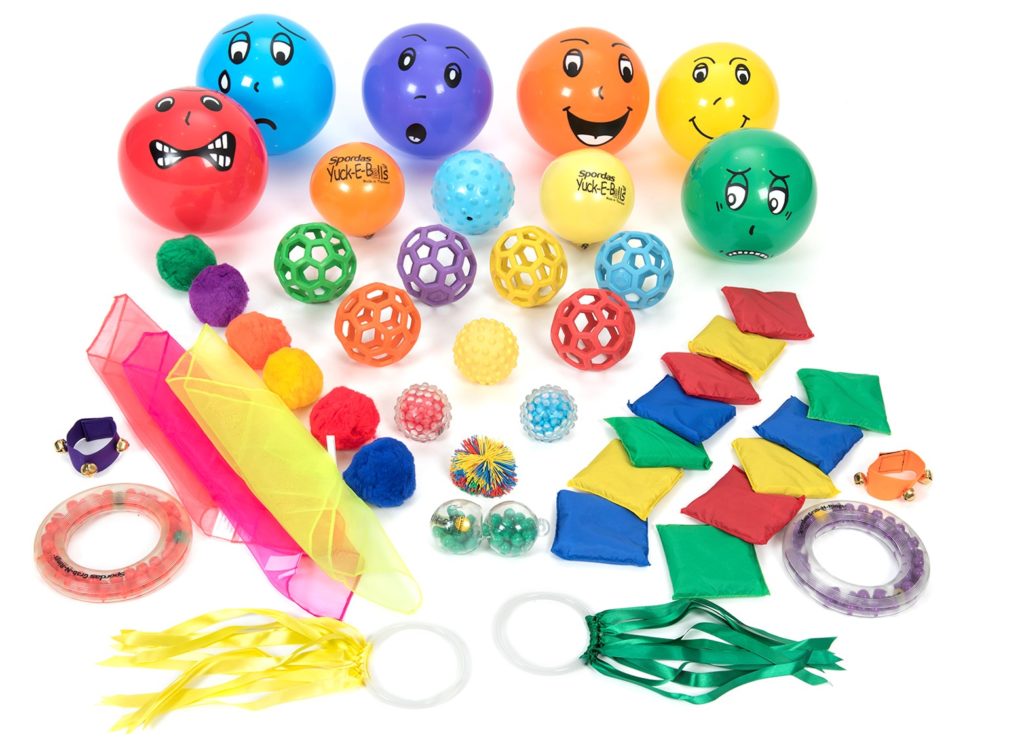
Sensory tools, including concentration fidgets, weighted items or wobble cushions, can help students regulate attention and manage their sensory needs during lessons.
Scaffolded learning materials provide structured support that builds confidence while encouraging increasing independence.
Visual schedules, task slicers, checklists and prompt cards help students understand routines, manage transitions and reduce uncertainty throughout the school day.
Communication resources, including visual and recordable communication aids enable students to participate more confidently in classroom discussions and collaborative activities.
Resources that reduce anxiety, encourage and support self-regulation contribute to a more inclusive learning environment where students feel safe, supported and ready to learn.
Resources That Encourage Collaboration
Collaboration is a key life skill and learning from and alongside others is a really powerful strategy within an inclusive classroom.
Group project challenges and resources help to provide structured opportunities for students to work together towards shared goals. Offering scaffolds for this such as conversation cards, question prompts or sentence stems can help support students with group tasks.
Peer-review activities could also be used to help students reflect on their own work while providing constructive feedback to classmates, reinforcing learning through discussion.
Get Your Secondary School Classroom Ready
The resources we use can have a big impact, not only on our classroom management, but also on the learning that takes place. They can be used to increase engagement, encourage participation and make learning memorable while inclusive resources can ensure every student has the opportunity to succeed.
When choosing the right classroom resources, it is about more than simply equipping a classroom, it is about creating an environment where effective teaching and meaningful learning can thrive.
Whether you’re stocking up on organisation essentials, hands-on learning materials, digital tools, or inclusive teaching aids, the goal is the same: to create a learning environment where every student can thrive.