

Preparing for exams can feel overwhelming for many teenagers, particularly when they are balancing multiple GCSE subjects, coursework deadlines, extracurricular activities, and social commitments. Without a clear plan, revision can quickly become disorganised, leading to stress, reduced confidence, and ineffective study habits.
One of the most effective ways to support exam preparation is through a well-structured revision timetable. Creating a clear revision schedule for teenagers helps break large amounts of content into manageable tasks, encourages consistency, and allows students to focus on their priorities without feeling overwhelmed. A good timetable also helps students maintain a healthy balance between study, rest, hobbies, and family time.
Every student learns differently, which means there is no single approach that works for everyone. However, the principles of good organisation, realistic goal setting, and active revision can help any teenager build a study plan that supports success.
In this guide, we will explore why revision timetables are important, how to build an effective revision timetable for GCSE students, the best revision techniques to include, and the resources that can help teenagers stay organised and motivated throughout exam season.
Why Revision Timetables Are Important
A revision timetable is much more than a schedule of study sessions. It provides structure, direction, and reassurance during a period that many students find challenging.
Supporting Organisation and Time Management
GCSE students have many subjects to revise simultaneously. Without a clear plan, it can be difficult to know where to start or how much time should be allocated to each subject.
A revision timetable for GCSE students helps break revision into manageable chunks. Rather than facing an entire syllabus at once, students can focus on specific topics and objectives during designated study periods. This approach makes revision feel more achievable and prevents important subjects from being overlooked.
Consistent planning also helps students avoid last-minute cramming. Spreading revision across several weeks or months improves knowledge retention and allows students to revisit topics multiple times before exams. This process supports long-term understanding rather than short-term memorisation.
Another benefit is the ability to balance revision with other commitments. Teenagers still need time for exercise, hobbies, social activities, and relaxation. A structured timetable ensures that study does not completely take over daily life, creating a healthier and more sustainable approach to exam preparation.
Reducing Revision Stress and Anxiety
Many students experience anxiety during exam periods because they feel uncertain about what they need to revise and how much work remains to be completed.
A clear revision schedule helps remove this uncertainty by providing a visual plan. Students can see exactly what they need to focus on each day and track their progress over time. This sense of organisation often increases confidence and helps teenagers feel more in control of their workload.
Realistic study expectations are equally important. When revision is divided into smaller tasks, students are less likely to become overwhelmed by large volumes of content. Completing manageable goals creates a sense of achievement and motivation.
Effective timetables also reduce the risk of burnout. By including regular breaks and varied activities, students can maintain concentration while protecting their wellbeing throughout the revision period.
How to Build an Effective Revision Timetable
Creating an effective revision timetable for teenagers requires thoughtful planning. The most successful timetables are realistic, flexible, and tailored to individual learning needs.
Identifying Revision Priorities
The first step in GCSE revision planning is identifying which subjects and topics require the most attention.
Students should begin by reviewing their current performance across all subjects. Areas of strength may require maintenance and occasional review, while weaker subjects often need additional study time. Exam dates, coursework deadlines, and upcoming assessments should also influence revision priorities.
It can be helpful to create a simple subject audit. Students can list all topics within each subject and rate their confidence levels. This process highlights gaps in knowledge and ensures revision time is allocated effectively.
Setting realistic goals is equally important. Rather than planning to revise an entire subject in one evening, students should focus on specific objectives such as completing a set of practice questions, reviewing a key topic, or creating revision notes.
Regular retrieval practice sessions should also be included. Revisiting previously studied material strengthens memory and reduces the likelihood of forgetting important information before exams.
Structuring Revision Sessions Effectively
Long study sessions are not always productive. Research consistently shows that shorter, focused revision periods are often more effective than several hours of uninterrupted study.
Many students benefit from working in sessions of 25 to 50 minutes followed by a short break. This structure helps maintain concentration and reduces mental fatigue.
Rotating subjects throughout the week can also improve focus. Spending an entire day on one subject may become repetitive, whereas alternating between different topics keeps learning engaging and allows students to use different thinking skills.
Successful revision timetables also combine active and passive learning methods. Reading notes alone is rarely enough to achieve strong exam results. Students should balance content review with activities such as self-testing, practice papers, and problem-solving exercises.
Flexibility is another key consideration. Unexpected events, illness, or changes to school schedules may require adjustments. Building some spare revision slots into the timetable provides valuable flexibility without disrupting the overall plan.
Choosing the Right Revision Format
Different students prefer different planning methods, so choosing the right format is essential.
Some teenagers work best with paper-based planners that can be displayed on a desk or bedroom wall. Large wall charts provide a clear overview of revision schedules and make it easy to visualise upcoming tasks.
Colour-coded timetables can be particularly effective for organisation. Assigning different colours to subjects allows students to quickly identify study patterns and ensure balanced coverage across the curriculum.
Digital planning tools have also become increasingly popular. Online calendars, revision apps, and electronic planners allow students to update schedules easily and receive reminders about upcoming tasks.
Weekly planning often works well for secondary students because it provides enough structure while remaining adaptable. Daily plans can then be created within each week to provide more detailed guidance.
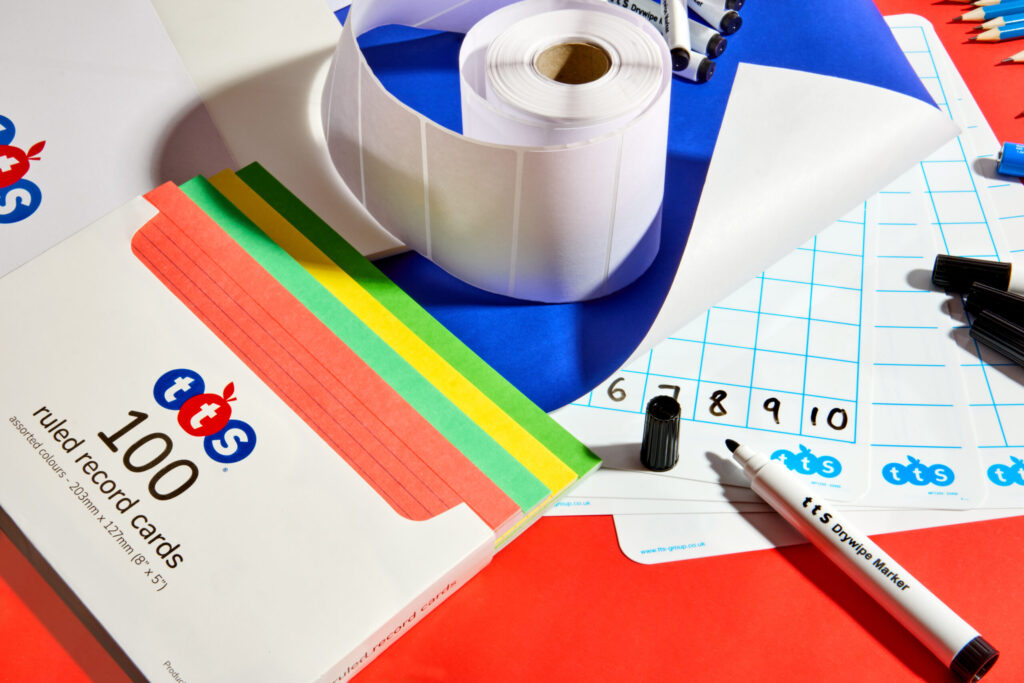
TTS offers a variety of organisation resources that can support revision planning, including student planners, classroom organisation tools, visual timetables, and study resources designed to help secondary students manage their workload effectively.
Revision Techniques to Include in a Timetable
An effective timetable should focus not only on when students revise but also on how they revise.
Active Revision Strategies
Active learning techniques consistently outperform passive methods when it comes to retention and understanding.
Flashcards remain one of the most popular revision resources for teenagers because they encourage retrieval practice. Students actively recall information rather than simply rereading notes, strengthening memory pathways and improving long-term retention.
Practice questions and exam papers are equally valuable. Completing exam-style tasks helps students apply knowledge under realistic conditions while becoming familiar with assessment formats and mark schemes.
Mind maps provide a useful visual approach to revision. They help students organise information, identify connections between topics, and condense large amounts of content into manageable summaries.
Teaching concepts to someone else is another highly effective strategy. Explaining ideas aloud reveals gaps in understanding and reinforces learning through active recall.
Regular self-testing and recap quizzes should also feature throughout any revision timetable. Frequent retrieval opportunities improve memory and help students monitor their progress over time.
Subject-Specific Revision Approaches
Different subjects often require different revision techniques.
Mathematics revision is most effective when students complete regular problem-solving exercises. Repeated practice builds confidence and helps learners become familiar with common question types.
Science subjects benefit from a combination of factual recall, diagram labelling, practical method review, and application-based questions. Visual revision tools can be particularly useful for topics involving processes and systems.
English and humanities subjects often require essay planning and analytical skills. Students should practise structuring responses, evaluating evidence, and developing arguments under timed conditions.
Language revision may focus on vocabulary recall, grammar practice, listening exercises, and speaking activities. Short, regular sessions are often more effective than occasional intensive study.
Creative revision methods can also support engagement across subjects. Visual learners may benefit from diagrams and infographics, while kinaesthetic learners may prefer hands-on activities that encourage interaction with content.
Collaborative and Interactive Revision Ideas
Revision does not always need to be completed independently.
Study groups can provide valuable opportunities for discussion, explanation, and peer support. Students often benefit from hearing alternative perspectives and sharing revision techniques.
Quiz-based activities create an engaging way to review knowledge while maintaining motivation. Friendly competitions can increase participation and encourage students to revisit challenging topics.
Timed challenges help develop exam skills while adding variety to revision sessions. These activities can improve speed, accuracy, and confidence under pressure.
Schools may also organise revision workshops, intervention sessions, and targeted support programmes. These opportunities can complement independent study and provide additional guidance where needed.
TTS offers secondary curriculum-focused resources that support interactive learning, retrieval practice, and collaborative revision activities across a wide range of secondary school subjects.
Resources That Help Teenagers Stay Organised
Having the right resources can make a significant difference to the success of a revision timetable.
Essential Revision Planning Resources
Organisation is often the foundation of successful revision.
Revision planners and academic calendars help students visualise deadlines, exam dates, and study schedules. These tools support forward planning and encourage consistent study habits.
Whiteboards provide a flexible solution for tracking daily tasks and updating revision goals. Many students find it helpful to display key objectives in a visible location.
Flashcards remain a versatile resource for active recall and self-testing. Storage organisers can help keep subject-specific materials tidy and accessible.
Timers can support focused study sessions by encouraging students to work within structured time limits. Productivity tools help students maintain concentration while avoiding excessive screen distractions.
Subject folders and organisers also play an important role in keeping notes, worksheets, and revision materials organised throughout the exam period.
Digital Revision and Organisation Tools
Technology offers a wide range of options for GCSE revision planning.
Revision apps allow students to create personalised study schedules, monitor progress, and receive reminders about upcoming tasks.
Downloadable revision templates can simplify the planning process and provide ready-made structures for organising study sessions.
Interactive revision platforms offer quizzes, videos, and self-assessment tools that support independent learning. Many students appreciate the instant feedback these platforms provide.
Digital flashcards combine the benefits of retrieval practice with the convenience of mobile learning. Online quiz tools can also add variety to revision sessions.
Progress tracking applications help students monitor completed tasks and identify areas requiring further attention.
Creating a Productive Study Environment
Even the best revision timetable will be less effective if the study environment is not conducive to learning.
Reducing distractions is one of the most important steps. Students should create dedicated study spaces away from televisions, gaming devices, and unnecessary interruptions whenever possible.
Organising materials before beginning a study session can improve efficiency and reduce wasted time. Having resources readily available allows students to focus entirely on learning.
Comfort is also important. A well-lit workspace with appropriate seating supports concentration and reduces physical discomfort during longer revision periods.
Visual reminders such as calendars, timetables, and progress trackers can reinforce study routines and maintain motivation.
Helping Teenagers Stick to a Revision Timetable
Creating a timetable is only the first step. Maintaining consistency is equally important.
Maintaining Motivation During Revision
Motivation can fluctuate throughout the revision process, particularly during busy exam periods.
Setting short-term goals helps students maintain momentum. Achievable objectives create regular opportunities for success and prevent revision from feeling overwhelming.
Recognising progress is also important. Rewarding completed tasks and consistent effort can reinforce positive study habits and encourage continued engagement.
Tracking revision achievements provides visible evidence of progress. This can be particularly motivating when students begin to feel discouraged or uncertain about their preparation.
Encouraging a growth mindset is equally valuable. Students should understand that improvement comes through practice, persistence, and effective revision strategies rather than natural ability alone.
Adapting Timetables When Needed
No revision timetable should be completely fixed.
Regular reviews allow students to assess what is working and make necessary adjustments. As exams approach, some subjects may require additional attention while others become less of a priority.
Mock exam results often provide useful information that can guide future planning decisions. Students may identify previously overlooked topics or discover areas that require further practice.
It is also important to recognise signs of stress and fatigue. Revision schedules should support wellbeing rather than undermine it. Reducing workload temporarily or incorporating additional breaks can often improve productivity in the long term.
Extracurricular commitments, family events, and personal responsibilities may also require timetable adjustments. Flexibility ensures revision remains manageable and realistic.
Supporting Different Learning Needs
Every student learns differently, and revision timetables should reflect individual needs.
Students with SEND may benefit from visual schedules, structured routines, and clearly defined tasks. Breaking activities into smaller steps can improve accessibility and reduce feelings of overwhelm.
Visual and hands-on revision techniques can support learners who find traditional note-based methods less effective. Interactive resources often increase engagement and improve understanding.
Scaffolded revision materials provide additional support for students who struggle with organisation or independent learning. These resources help build confidence while promoting gradual independence.
Personalised approaches remain essential. What works well for one teenager may not suit another, so flexibility and individualisation should always be encouraged.
TTS offers a range of SEND and inclusion resources that support diverse learning needs and help ensure every student can access effective revision strategies.
Get Prepared to Revise Today
Creating an effective revision timetable for teenagers is one of the most valuable steps students can take when preparing for exams. A well-planned timetable improves organisation, supports time management, and helps students approach revision with greater confidence and purpose.
By prioritising subjects effectively, incorporating active revision strategies, and using practical organisation tools, students can maximise their study time while reducing stress and avoiding burnout. Flexible planning also ensures revision remains realistic and sustainable throughout the exam period.
Whether using traditional planners, digital tools, flashcards, or interactive learning resources, the key is finding an approach that supports individual learning needs and encourages consistent progress.
TTS offers a wide range of revision, organisation, curriculum, and inclusion resources designed to help secondary students stay focused, motivated, and prepared throughout their GCSE revision journey.